
Booking Hotels Direct vs. Third Party: Maximizing Value in Hospitality

Booking Hotels Direct vs. Third Party: Maximizing Value in Hospitality
Booking rooms through third-party platforms might feel convenient, but it often cuts deep into your hotel’s profitability and guest loyalty. When you control direct booking strategies, you regain revenue and build stronger relationships with your guests. In this post, you’ll see why shifting focus from intermediaries to direct channels can redefine your operational excellence and boost your bottom line. Learn more about the advantages of booking directly over third-party reservations here.
Direct Booking Advantages

Booking directly brings a world of benefits for both hotels and guests. Let's explore how these advantages translate into tangible gains for your hospitality business.
Boosting Hotel Profitability
You want to see your profits soar, right? Direct bookings help you keep more of your hard-earned revenue. Third-party platforms can take up to 30% of your booking fees in commissions. That's money you could reinvest into your property. Here's why booking direct can be more profitable.
Imagine a guest booking a room for $200 per night. Through a third-party site, you might only see $140 of that. But with direct bookings, the full amount stays with you. This adds up over time, boosting your bottom line significantly.
Moreover, direct bookings allow you to offer personalized packages that appeal to your guests. This kind of tailoring isn't possible on third-party sites. It's a win-win: happier guests and a healthier profit margin.
Enhancing Guest Loyalty
Building loyalty is essential for long-term success. When guests book directly, you have more opportunities to connect with them and offer a superior experience. This connection is key to turning first-time visitors into repeat guests.
Think about it: if a guest has a seamless booking experience and is greeted with personalized service, they're more likely to return. This loyalty translates into a steady stream of revenue and word-of-mouth referrals. Learn more about the benefits of booking directly from real experiences.
Direct bookings also provide valuable data. You'll know more about your guests' preferences and can tailor future offers to their needs. This personalized touch can set you apart from competitors and solidify your reputation for excellent service.
Challenges with Third-Party Platforms
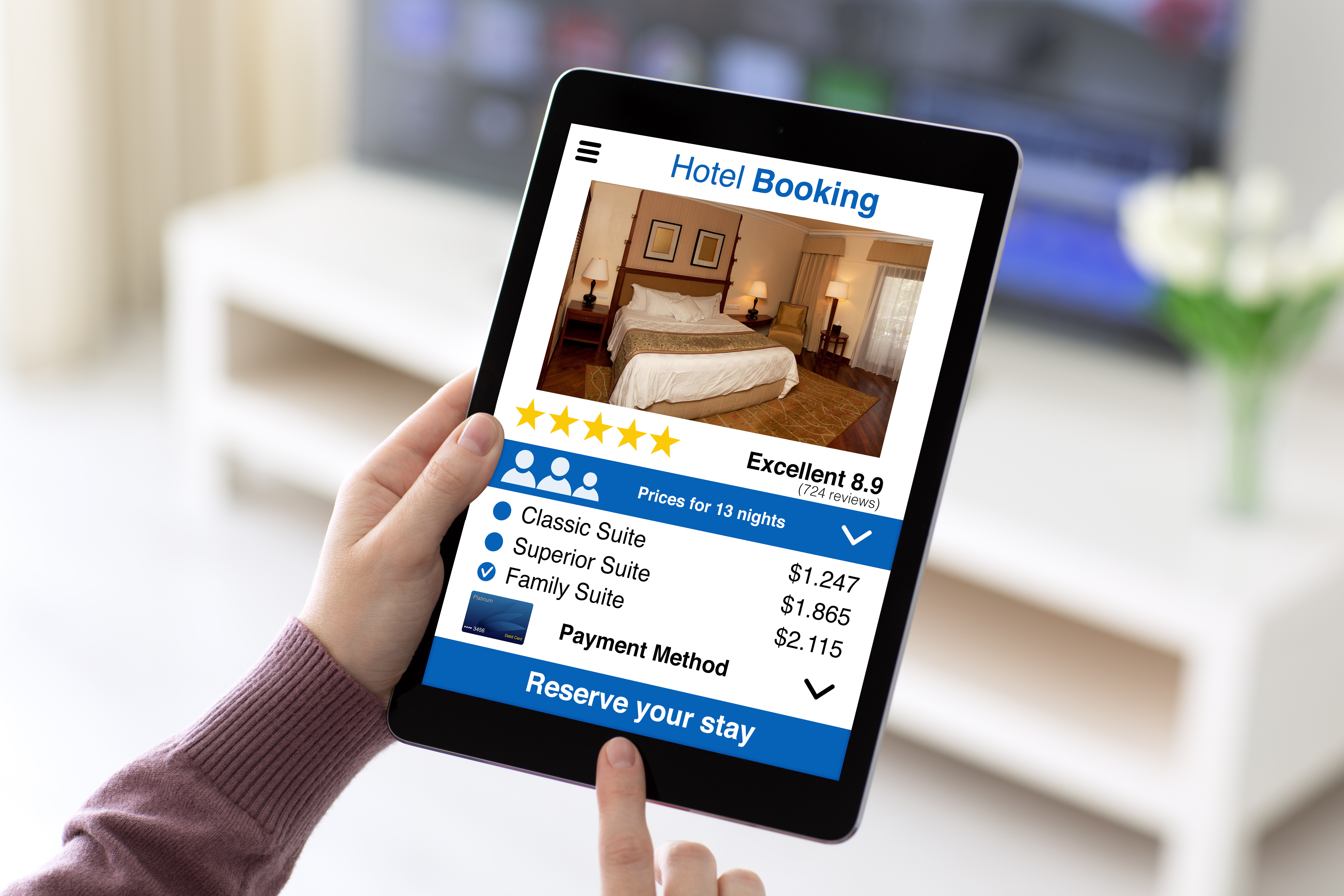
While third-party platforms seem convenient, they come with hidden pitfalls. Understanding these challenges is crucial to making informed decisions for your business.
Hidden Costs and Commissions
It's tempting to list your hotel on third-party platforms, but beware of the hidden costs. As mentioned, commissions can eat into your profits significantly. These fees often aren't apparent until you see your final payout.
With each booking, platforms take a cut that might be as high as 25%-30%. This leaves you with less flexibility to invest in your property or staff. Consider that with 100 bookings a month, a $150 average room rate could mean $37,500 in revenue lost to commissions. See a thorough comparison here.
Moreover, there might be additional charges for premium listings or enhanced visibility. These costs add up quickly and can strain your budget, limiting your ability to offer value to direct bookers.
Limited Control Over Guest Experience
Relying on third-party platforms limits your control over the guest experience. You can't customize the booking process or offer special promotions directly to your guests. This control is essential for creating memorable stays that encourage repeat visits.
Consider the impact of not having access to guest contact information. You're unable to send tailored communications or offer incentives for future bookings. This lack of control can hinder your ability to build a loyal customer base.
By shifting focus to direct bookings, you regain control and can provide a more personalized experience. This control is crucial for maintaining high standards and fostering guest satisfaction.
Strategies for Direct Booking Success

Now that you understand the challenges and benefits, let's look at strategies to drive direct bookings and enhance your hotel's performance.
Tailored Hospitality Consulting Services
To succeed in direct bookings, consider leveraging tailored hospitality consulting services. These services offer insights and strategies specific to your hotel's needs, helping you optimize every aspect of your operations.
Consultants can help you craft unique offers that appeal to your target market. These offers can include exclusive deals, personalized amenities, or loyalty programs that third-party platforms can't match. Explore how tailored strategies can enhance profitability.
Additionally, consultants can guide you in using technology effectively. From enhancing your website to optimizing your booking engine, these improvements can streamline the booking process and drive more direct traffic.
Building Operational Excellence
Operational excellence is the backbone of successful direct bookings. By focusing on efficient operations, you can provide a seamless guest experience that encourages direct bookings.
Start by training your staff to prioritize guest satisfaction. Empower them to make decisions that enhance the guest experience. This empowerment leads to happier guests and positive reviews, which in turn drive more direct bookings.
Investing in technology is also crucial. A robust booking engine and user-friendly website can make the booking process smooth and appealing. These tools help you capture potential guests right when they're ready to book, maximizing your direct booking potential.
In conclusion, direct booking strategies offer significant advantages over third-party platforms. By focusing on profitability, guest loyalty, and operational excellence, you can transform your hospitality business into a thriving enterprise.