
Booking Hotels Direct vs Third-Party: Making the Smart Choice for Your Hospitality Business

Booking Hotels Direct vs Third-Party: Making the Smart Choice for Your Hospitality Business
Booking through third-party platforms often feels like a quick fix, but it can quietly erode your profitability and control. Direct hotel bookings, on the other hand, offer untapped potential for improving guest satisfaction and operational efficiency. Understanding the real advantages and drawbacks of each channel is crucial for strategic growth in hospitality management. Let’s explore how to make the smartest choice that drives your business forward. Read more.
Direct Hotel Bookings Benefits

Choosing between direct bookings and third-party platforms can shape your business in significant ways. With direct hotel bookings, you gain remarkable advantages that can transform your guest relationships and bottom line.
Control Over Guest Experience
When guests book directly, you have the upper hand in crafting their journey. You can offer personalized touches from the moment they make their reservation. This direct connection allows you to gather specific preferences, ensuring a tailored stay that exceeds expectations.
Consider this: A study showed that 60% of travelers prefer accommodations that cater to their personal needs. By harnessing direct bookings, you can meet these desires more effectively. Beyond personalization, direct bookings give you the power to communicate any changes, amenities, or special offers directly to your guests. This open line of communication builds trust and satisfaction, ultimately leading to repeat business and glowing reviews.
Enhanced Profitability
Direct bookings aren't just about control; they're also about boosting your profits. By cutting out third-party fees, more of your revenue stays where it belongs—in your pocket. These savings can be substantial, impacting your bottom line in a positive way.
For instance, if a third-party site charges a 15% commission, shifting just a portion of bookings to direct channels can result in significant savings. This financial benefit can be reinvested into upgrading facilities or enhancing guest services. By focusing on direct bookings, you create a virtuous cycle of profitability and guest satisfaction, setting your business on a path to sustainable growth.
Third-Party Booking Platforms
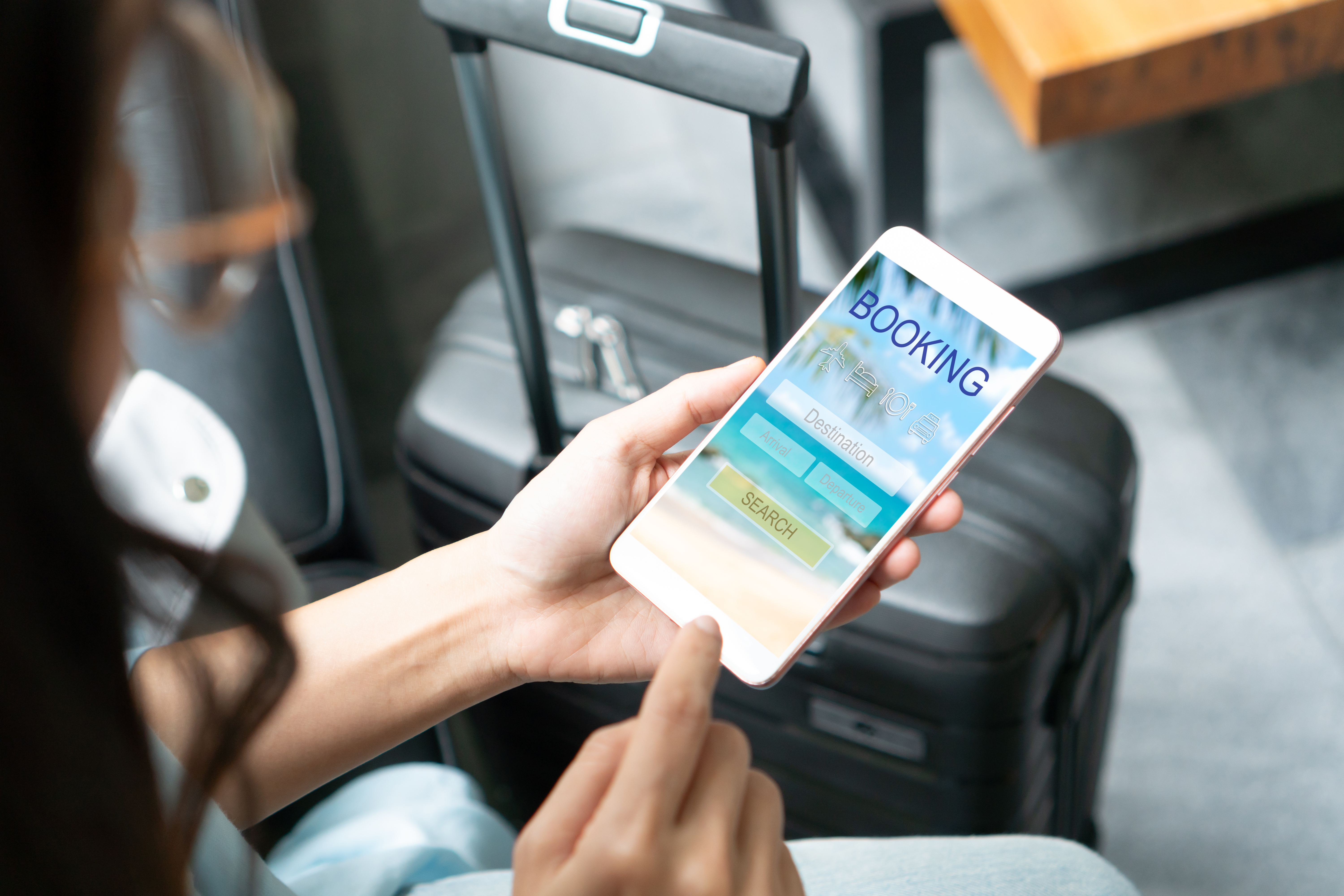
While direct bookings offer compelling advantages, third-party platforms have their own set of benefits, especially when it comes to expanding your reach. Understanding their role is key to making informed decisions for your hospitality business.
Broader Market Reach
Third-party booking platforms provide access to a large audience that might otherwise be hard to reach. They aggregate countless options, allowing travelers to discover your establishment among a sea of choices. This visibility can be especially beneficial for properties that are new or looking to increase occupancy rates quickly.
For example, an analysis revealed that 80% of travelers start their accommodation search on third-party sites. By listing your property here, you tap into this vast pool of potential guests. It's a strategy that can lead to increased bookings, particularly during off-peak seasons.
Potential Commission Costs
However, it's crucial to weigh the costs. The convenience of third-party platforms comes at a price—often in the form of hefty commissions that can erode your profits. Understanding these costs is vital for strategic planning.
If your property relies too heavily on third-party bookings, it may impact your overall financial health. Evaluating the balance between increased visibility and commission expenses helps you make sound decisions that support your long-term success.
Strategic Growth with Booking Channels
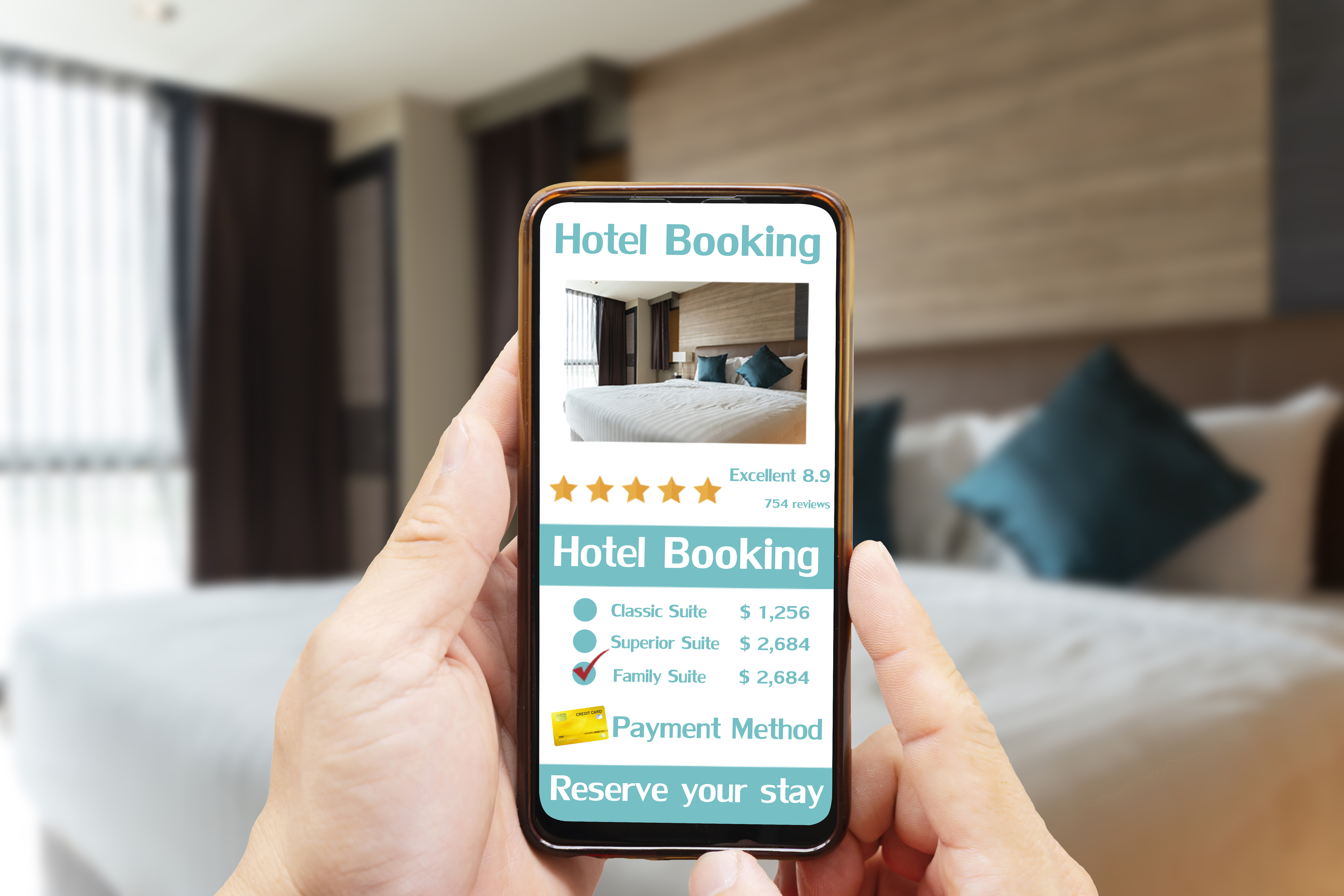
Navigating the balance between direct and third-party bookings is a strategic decision that can drive growth. Let's explore how to optimize these channels for maximum impact.
Balancing Direct and Third-Party
The key is not to rely solely on one channel but to create a harmonious blend. Direct bookings should be nurtured through personalized marketing and loyalty programs. At the same time, maintaining a presence on third-party platforms ensures you capture new segments of the market.
Here's the key insight: Diversifying booking channels allows you to optimize both reach and profitability. By leveraging each channel's strengths, you ensure a steady stream of bookings while maintaining control over guest interactions. Striking this balance is crucial for long-term growth and stability.
Enhancing Guest Satisfaction
Ultimately, both booking channels should serve the goal of enhancing guest satisfaction. Direct bookings provide the opportunity for personalized service, while third-party platforms bring visibility. Together, they can create a comprehensive strategy that caters to diverse guest needs.
Most people think relying on one channel is sufficient, but combining both offers a more robust approach. This strategy not only boosts guest satisfaction but also builds a loyal customer base that appreciates the unique value your establishment provides. By prioritizing guest experience across all channels, you set the stage for continued success in the competitive hospitality landscape.