
Exploring the Importance of Travel in the Economy Today _ George Dfouni
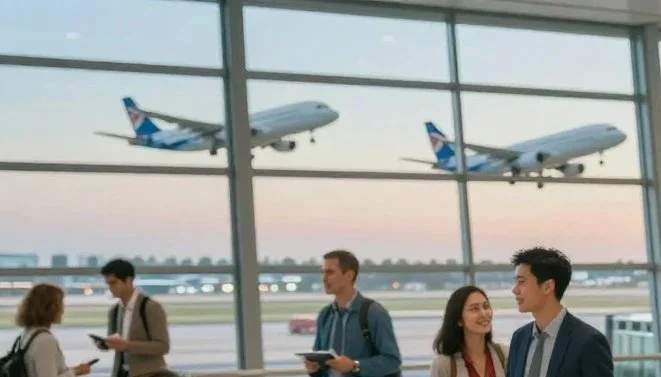
I have always believed that our personal journeys do more than just create memories. When we pack our bags and head to a new destination, we act as vital engines for national prosperity. Every ticket purchased and hotel room booked serves as a catalyst for growth across the United States.
Understanding the importance of travel in the economy reveals how interconnected our lives are with financial systems. From local shops to major airlines, our movement sustains countless jobs and supports small businesses. It is truly fascinating to see how individual choices translate into such a massive impact on our collective wealth.
In this article, I will break down how these patterns shape our financial landscape. By looking at the broader picture, we can better appreciate the role we play every time we decide to explore the world around us.
Key Takeaways
- Personal trips act as a primary driver for national financial health.
- Tourism spending supports diverse sectors, including hospitality and retail.
- Individual travel choices create a ripple effect that sustains local jobs.
- The industry serves as a major catalyst for growth within the United States.
- Understanding these financial links helps us value our role as active participants in the market.
The Economic Impact of Travel
When I analyze the financial landscape of the United States, I see travel as a vital engine that powers our national prosperity. The importance of travel in the economy goes far beyond simple vacation planning or business trips. It acts as a massive catalyst for growth, touching nearly every corner of our country.
Every time a traveler books a hotel, dines at a local restaurant, or visits a national park, they are participating in a complex financial cycle. This economic impact of tourism is a fundamental pillar that supports our national accounts and keeps our markets vibrant.
How Travel Contributes to GDP
The relationship between visitor spending and our Gross Domestic Product is truly symbiotic. When tourists spend money, that capital flows directly into local businesses, which then reinvest those funds into the community. This cycle creates a multiplier effect that significantly boosts our national output.
I often emphasize that the importance of travel in the economy is reflected in how these dollars circulate. From the aviation industry to small retail shops, the infusion of outside capital strengthens our financial stability. It is a clear indicator of how interconnected our national prosperity is with the movement of people.
Job Creation through Travel and Tourism
Beyond the raw numbers, the economic impact of tourism is most visible in the millions of livelihoods it supports. The travel sector serves as a primary engine for job creation across the United States. It provides diverse opportunities ranging from hospitality management to transportation logistics.
These roles are essential for maintaining the high standard of service that defines the American travel experience. By fostering a robust tourism industry, we ensure that families across the nation have access to stable, meaningful employment. I believe that investing in this sector is one of the most effective ways to secure our collective economic future.
Travel as a Driver of Local Business
The heartbeat of any community is often found in its small businesses, which thrive thanks to the steady influx of travelers. I have observed that when visitors arrive, they bring more than just luggage; they bring a vital lifeline for our neighborhood shops and service providers. This consistent travel industry growth ensures that local entrepreneurs can keep their doors open throughout the year.
Supporting Local Economies
When I choose to spend my money at a local bakery or a neighborhood bookstore, I am directly contributing to the economic impact of tourism in that area. This spending creates a ripple effect, as those business owners then reinvest their earnings into other local services. It is a beautiful cycle that keeps our towns vibrant and financially stable.
Local governments often rely on this influx of capital to maintain public infrastructure and parks. By welcoming guests, communities can fund improvements that benefit both residents and visitors alike. Every dollar spent locally stays within the community, strengthening the foundation of our local economy.
Boosting Small Businesses
Small businesses are the backbone of the American economy, and they depend heavily on the travel industry growth we see today. From independent coffee shops to family-run boutiques, these establishments rely on the seasonal surge of visitors to balance their budgets. Without this support, many unique shops would struggle to survive in an increasingly competitive market.
I find it inspiring to see how a simple visit can change the trajectory of a small business. By choosing to shop locally, travelers provide the necessary resources for these owners to innovate and expand. Ultimately, the positive economic impact of tourism is felt most deeply by the hardworking individuals who make our communities special.
The Role of Travel in Global Trade
When I look at global commerce, I see travel as the essential bridge for building lasting professional partnerships. While many people associate movement across borders with vacations, the reality is that business travel serves as a critical engine for international diplomacy and trade. This movement of professionals contributes significantly to tourism revenue generation, proving that the sector is far more than just leisure activities.

Facilitating International Business Relationships
I believe that nothing replaces the power of a face-to-face meeting when it comes to building trust. Digital communication is convenient, but in-person interactions are what truly solidify long-term professional bonds. When executives travel to meet partners in different countries, they create a foundation of mutual understanding that emails simply cannot replicate.
These professional journeys often lead to deeper cooperation between nations. By attending global summits and corporate retreats, leaders can navigate complex negotiations more effectively. This human connection is the secret ingredient that keeps the gears of the global economy turning smoothly.
Enhancing Export Opportunities
Trade missions are another excellent example of how travel drives economic success. When companies send representatives abroad to showcase their goods, they are actively seeking to expand their reach into new markets. These missions are vital for securing long-term export opportunities that might otherwise remain out of reach.
It is important to recognize that these high-value transactions are a major component of tourism revenue generation. Every conference, trade show, and business expo brings a surge of economic activity to the host city. By supporting these professional gatherings, we ensure that global trade continues to thrive and evolve in our interconnected world.
Travel Infrastructure and Economic Growth
When I look at thriving regions, I see a clear link between modern transportation and the economic benefits of travel. It is not just about moving people from one place to another; it is about creating a foundation that supports long-term prosperity. By investing in the right systems, communities can unlock new potential for growth.
Investment in Transportation Networks
I have noticed that airports, highways, and public transit systems act as the arteries of a healthy economy. When a city upgrades its international airport or expands its light rail, it becomes more accessible to global visitors. This accessibility is a critical factor in driving the economic benefits of travel for local businesses.
These improvements do not just serve tourists; they provide essential services for residents as well. A highway expansion designed to handle seasonal traffic also reduces daily commute times for local workers. By planning for the needs of visitors, we inadvertently build a more efficient and connected society for everyone.
Urban Development Driven by Tourism
Tourism often acts as a catalyst for urban renewal, turning neglected areas into vibrant hubs of activity. I have seen many city centers transform because of strategic investments in pedestrian-friendly zones and cultural districts. These projects create lasting value by attracting both private investment and new residents to the area.
When a city revitalizes its downtown core to appeal to travelers, it creates a ripple effect of growth. Small shops, restaurants, and entertainment venues flourish in these newly renovated spaces. This transformation is a testament to how the economic benefits of travel can reshape the physical and social landscape of our cities.
The Ripple Effect of Spending in Travel
The money spent during a trip does not simply disappear; it creates a fascinating ripple effect throughout our entire economy. When I analyze how money moves, I see that every dollar spent by a visitor circulates to support many different businesses. This process is a cornerstone of the travel and tourism sector, providing stability far beyond the initial point of sale.
Indirect Economic Benefits
I find it remarkable how tourism demand reaches deep into local supply chains. When hotels purchase fresh produce from regional farms or restaurants source ingredients from local distributors, they are fueling the economy. This indirect spending ensures that money stays within the community, helping to sustain jobs in agriculture and food production.
Manufacturing also sees a significant boost from these activities. As hotels and resorts upgrade their facilities, they require furniture, linens, and technology from various manufacturers. This constant demand keeps factories running and supports a wide network of suppliers who might not even realize their success is tied to the visitor economy.
Travel's Influence on Other Industries
The impact of tourism revenue generation extends into sectors that seem unrelated at first glance. For instance, the construction industry thrives on the need for new infrastructure, while the retail sector benefits from travelers seeking local goods. I believe this interconnectedness is what makes the industry so resilient.
By supporting these secondary industries, the travel and tourism sector acts as a powerful engine for national prosperity. Every time a traveler books a stay or dines out, they are contributing to a complex web of financial activity. This continuous cycle of investment and consumption is essential for maintaining a healthy and growing economy.
Employment Opportunities in the Travel Sector
I have often marveled at the sheer variety of career paths available within the travel and tourism sector. This industry is far more than just hotels and airlines; it is a complex ecosystem that requires a wide range of professional talents to function effectively.
Diverse Job Roles within Tourism
The range of positions available is truly staggering. From hospitality management and luxury concierge services to specialized logistics and digital marketing, there is a role for almost every skill set.
Many people find success in operational roles that keep our global transportation networks moving. Others thrive in creative positions, such as destination marketing or travel writing, which help shape how we perceive the world.
Training and Skill Development
To keep up with changing traveler expectations, the industry places a heavy emphasis on ongoing training. Companies now invest in digital literacy and customer experience workshops to ensure their staff remains competitive.
These programs empower workers to adapt to new technologies and sustainable practices. By fostering a culture of continuous learning, the industry ensures that employees are prepared for the future of global mobility.
Ultimately, these employment opportunities create a significant impact of travel on local economies. By providing stable, diverse jobs, the sector helps reduce unemployment rates and keeps local communities thriving throughout the year.
Travel and Cultural Exchange
I believe that the true value of exploring the world lies in the deep cultural connections we forge along the way. When we step into a new environment, we move beyond simple sightseeing and begin to understand the heart of a community. This meaningful interaction is what transforms a standard trip into a life-changing experience.
Promoting Understanding and Cooperation
Travel acts as a powerful catalyst for empathy by allowing us to see the world through the eyes of others. When people from different backgrounds meet, they often find that their shared human values far outweigh their differences. This mutual respect creates a stable foundation for international cooperation, which is essential for a peaceful global society.
By engaging with local customs and traditions, travelers help dismantle harmful stereotypes. I have seen firsthand how these personal connections foster a sense of global citizenship. When we return home, we carry these lessons with us, which helps to build stronger, more collaborative relationships between nations.
Impact on Cultural Tourism and Economy
Current global travel industry trends show a significant shift toward authentic, immersive experiences. Modern travelers are no longer satisfied with superficial tours; they want to participate in local life, learn traditional crafts, and taste authentic regional cuisine. This demand encourages communities to take pride in their heritage.
The impact of travel on local economies is profound when residents actively preserve their unique cultural identity. By showcasing their history and arts, local businesses can attract visitors who are willing to invest in the community. This cycle of support ensures that traditional practices are not only protected but also celebrated as a vital economic asset.
Ultimately, when we prioritize cultural exchange, we create a more sustainable model for tourism. It allows small businesses to thrive while ensuring that the visitor experience remains genuine and enriching. I am convinced that this approach is the future of responsible, impactful travel.
The Environmental Considerations of Travel
Preserving the beauty of our destinations is essential for maintaining the financial significance of tourism. I have observed that travelers today are increasingly conscious of their ecological footprint. This shift in behavior forces businesses to adapt their operations to remain competitive in a changing market.
Sustainable Travel Practices
Many companies are now adopting green initiatives to reduce waste and energy consumption. From hotels eliminating single-use plastics to airlines investing in sustainable aviation fuel, the industry is evolving rapidly. These practices are no longer just optional; they are becoming a standard requirement for modern tourism businesses.
I believe that travelers are more likely to support brands that demonstrate a genuine commitment to the planet. By choosing eco-certified accommodations and supporting local conservation efforts, tourists play a direct role in protecting the places they visit. This collaborative approach helps ensure that natural attractions remain viable for future visitors.
Balancing Economy and Environment
Long-term economic viability depends on our ability to protect the ecosystems that support the travel industry. If we deplete the natural resources that attract people to a region, we ultimately undermine the financial significance of tourism in that area. It is a delicate balance that requires careful planning and investment.
We must view environmental protection as a strategic investment rather than a cost. When we prioritize the health of our oceans, forests, and wildlife, we secure the foundation of the global travel economy. The following table highlights the key differences between traditional and sustainable tourism models.
| Feature | Traditional Tourism | Sustainable Tourism |
|---|---|---|
| Resource Usage | High consumption | Efficient and renewable |
| Local Impact | Often extractive | Community-focused |
| Waste Management | Minimal regulation | Strict recycling policies |
| Long-term Goal | Short-term profit | Environmental longevity |
Travel During Economic Downturns
When markets struggle, the financial significance of tourism becomes more apparent than ever. I have seen how travel acts as a shock absorber for national economies during periods of instability. While many sectors contract, the movement of people continues to generate essential cash flow for struggling communities.

How Travel Can Aid Recovery
Travel spending provides an immediate injection of capital into local businesses. When visitors arrive, they pay for lodging, dining, and transportation, which helps keep small businesses afloat. This direct spending creates a ripple effect that supports local jobs and maintains tax revenues.
Strategic investment in tourism infrastructure allows regions to bounce back faster after economic shocks. By focusing on domestic travel, countries can stabilize their markets while waiting for international demand to return. Consider these primary ways travel aids recovery:
- Job Retention: Keeping hospitality staff employed prevents long-term unemployment spikes.
- Infrastructure Utilization: Maintaining airports and roads ensures that trade routes remain active.
- Small Business Support: Tourism dollars provide the liquidity needed for local shops to survive lean months.
Case Studies of Travel Resilience
History offers clear evidence of how the financial significance of tourism drives recovery. Following major global disruptions, regions that prioritized travel marketing often saw faster GDP growth than those that did not. The following table highlights how specific regions utilized tourism to stabilize their economies during past downturns.
| Region | Strategy | Outcome |
|---|---|---|
| Florida | Domestic Marketing | Rapid Hotel Recovery |
| Thailand | Infrastructure Grants | Increased Visitor Spend |
| New York City | Cultural Events | Boosted Local Retail |
I believe that understanding the financial significance of tourism is vital for policymakers. When we view travel as a core economic pillar rather than a luxury, we can better prepare for future challenges. By investing in sustainable travel, we ensure that our communities remain resilient regardless of the global economic climate.
Future of Travel and Its Economic Significance
The way we explore the world is changing rapidly, and these global travel industry trends are reshaping our economic future. I see a landscape where technology and human connection blend to create more meaningful experiences for everyone involved. This evolution is not just about convenience; it is about building a resilient framework for the years ahead.
Trends Reshaping Travel Demand
Today, travelers expect hyper-personalization at every stage of their journey. Artificial intelligence now allows companies to predict preferences, which directly fuels travel industry growth by increasing customer satisfaction. Furthermore, the rise of "bleisure"—the blending of business and leisure—has fundamentally altered how we view hotel stays and long-term rentals.
Digital nomads are also playing a massive role in this shift. They seek destinations that offer reliable infrastructure and community engagement. By catering to these modern needs, local economies can capture a larger share of the global market while fostering long-term loyalty.
Innovating for Economic Sustainability
Innovation is the heartbeat of a sustainable future. I believe that integrating green technology into our transportation networks is essential for maintaining growth without compromising our environment. Companies that prioritize eco-conscious operations are finding that sustainability is actually a powerful driver of profitability.
The following table highlights how the industry is moving from legacy models to future-ready strategies:
| Feature | Traditional Model | Future-Ready Model |
|---|---|---|
| Customer Focus | Mass Market | Hyper-Personalized |
| Technology | Manual Processes | AI and Automation |
| Sustainability | Secondary Priority | Core Business Strategy |
| Work Style | Office-Centric | Remote/Bleisure |
Ultimately, the path forward requires a commitment to both technological advancement and social responsibility. By embracing these global travel industry trends, we ensure that the sector remains a vital pillar of the economy. I am confident that continued investment in these areas will sustain travel industry growth for generations to come.
Conclusion: Why Travel Matters
I see travel as a vital engine that powers our global community. It transforms how we interact with the world while building bridges across borders.
The Lasting Value of Global Movement
The economic benefits of travel extend far beyond simple ticket sales. Every trip supports local artisans, small business owners, and service workers who keep our cities vibrant. I believe these interactions create a cycle of growth that strengthens our collective financial future.
Taking Action for a Stronger Industry
You hold the power to shape this landscape through your choices. By prioritizing travel, you contribute directly to the economic benefits of travel that sustain millions of families. I encourage you to explore new destinations and support local businesses during your next journey. Your participation keeps this essential industry thriving for generations to come.