
How World Economy and Travel and Tourism Impact Each Other in George Dfouni's Eyes
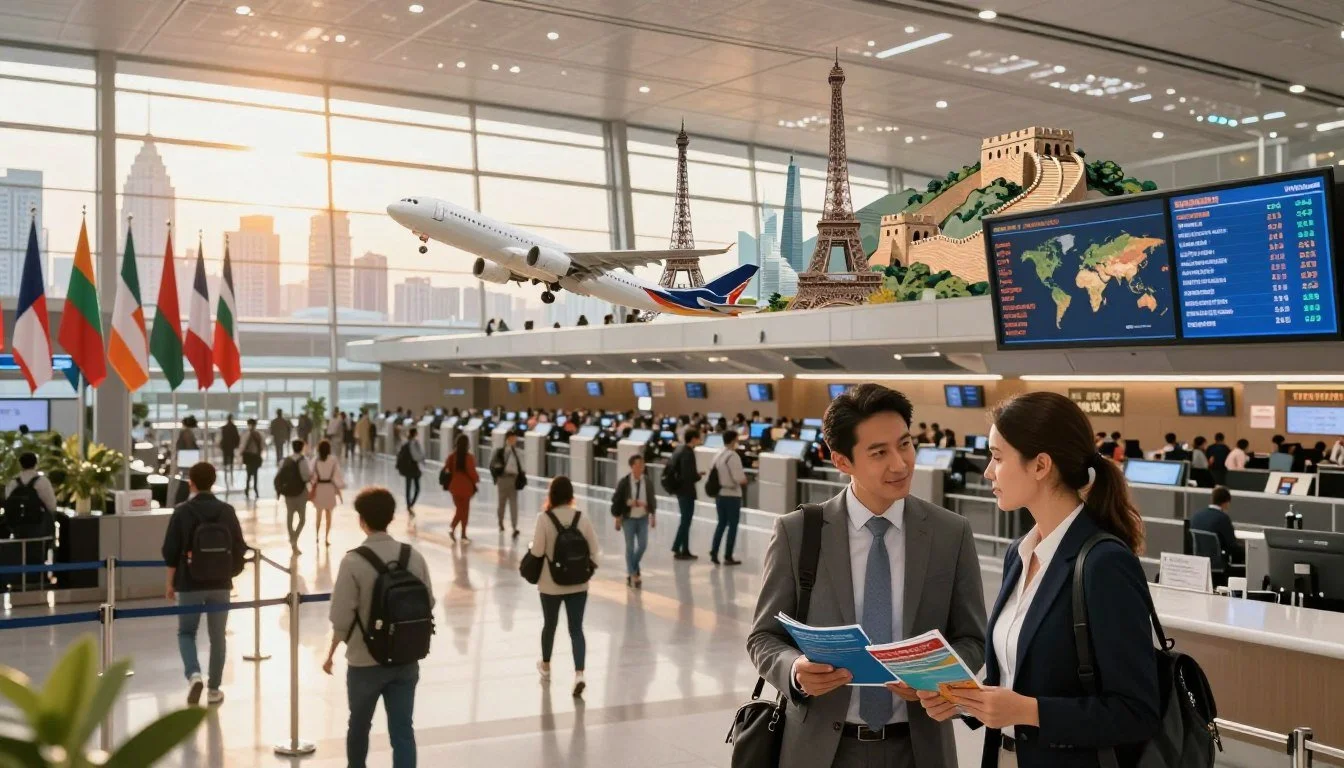
I have spent my entire career watching how financial shifts shape our adventures. It is fascinating to see how the world economy and travel and tourism are linked in such a tight embrace. When markets thrive, people feel confident enough to explore new horizons.
Conversely, when financial clouds gather, we often see a shift in how families plan their vacations. Understanding this dance is essential for anyone who loves to explore or runs a business in this vibrant field.
In this article, I want to share my personal insights on these massive industries. My goal is to provide you with a clear foundation for why these trends matter to your daily life. Let us dive into the details together.
Key Takeaways
- Financial health directly dictates consumer spending on vacations.
- Global market trends influence how hospitality businesses operate daily.
- Travel acts as a barometer for overall financial stability.
- Business owners must adapt quickly to changing fiscal climates.
- Personal exploration remains a priority even during lean times.
The Interconnection Between World Economy and Travel
Have you ever wondered why a trip to Europe suddenly feels much more expensive than it did just a few months ago? I have spent years observing how global economy trends dictate the feasibility of our dream vacations. It is not just about your personal savings; it is about the massive financial forces moving behind the scenes.
Understanding these mechanics allows you to plan smarter and travel further. By demystifying these complex topics, I want to help you make informed decisions about your future travel investments.
Overview of Economic Indicators
Macroeconomic indicators like GDP growth and inflation act as the silent gatekeepers of international travel. When a country experiences strong economic growth, its citizens often have more disposable income to spend on tourism. Conversely, high inflation can quickly erode your purchasing power, making even basic travel expenses feel like a luxury.
I view these indicators as a roadmap for your wallet. When you track global economy trends, you can identify which regions are becoming more accessible and which might be facing financial headwinds. Keeping an eye on these shifts helps you avoid sticker shock when you finally reach your destination.
The Role of Currency Exchange Rates
Currency exchange rates are perhaps the most immediate factor affecting your travel budget. A sudden shift in the value of the dollar against a foreign currency can make a destination either a bargain or prohibitively expensive overnight. It is a dynamic game where timing your booking can save you hundreds of dollars.
I always suggest monitoring these fluctuations closely before finalizing your plans. By staying aware of current global economy trends, you can capitalize on favorable exchange rates to stretch your budget further. Ultimately, being financially savvy turns a stressful planning process into a rewarding adventure.
Travel and Tourism: A Driver of Economic Growth
My analysis of global markets reveals that tourism acts as a powerful catalyst for national prosperity. I view the industry as a vital engine that fuels development, especially in regions where visitor spending forms the backbone of the local economy. Understanding the economic impact on tourism is essential for grasping how nations build sustainable futures.
Contribution to GDP
Tourism revenue does much more than fill hotel rooms; it provides the capital necessary to fund critical public services. When travelers visit a destination, their spending flows directly into the development of roads, airports, and healthcare facilities. This infrastructure investment creates a ripple effect that benefits both residents and future visitors.
By examining international travel insights, I have observed that countries prioritizing tourism often see a significant boost in their Gross Domestic Product. This growth allows governments to allocate more resources toward education and social programs. Consequently, travel becomes a transformative force that elevates the standard of living across entire nations.
Job Creation in Emerging Markets
The hospitality and transport sectors serve as primary gateways for employment in developing regions. I have seen firsthand how the influx of tourists creates a diverse range of jobs, from local tour guides to skilled hotel management staff. This economic impact on tourism is a proven strategy for lifting communities out of poverty.
These roles provide stable income streams that empower families and stimulate local commerce. By fostering a service-oriented economy, emerging markets can leverage their unique cultural assets to compete on a global stage. Ultimately, travel is not just a luxury; it is a vital component of a healthy and growing global economy.
The Impact of Global Events on Travel Patterns
I have observed how unexpected world events fundamentally reshape the way we plan our journeys. When a major crisis occurs, the travel industry must pivot almost overnight to survive. These global economy trends dictate not just where we go, but whether we feel safe enough to leave home at all.

Effect of Pandemics
Health crises represent the most significant challenge to modern mobility. During a pandemic, the sudden halt in international movement forces companies to rethink their entire business model. I believe that flexibility has become the most important asset for any traveler today.
Consumers now prioritize booking options that allow for last-minute changes. This shift in behavior is one of the primary economic factors influencing tourism that businesses must address to remain relevant. Without a clear plan for health safety, destinations struggle to attract visitors, regardless of their natural beauty.
Political Instability and Tourism
Geopolitical tensions create a climate of uncertainty that can deter even the most adventurous souls. When regions face conflict, the flow of capital and tourists often dries up instantly. I find that stability is truly the most valuable currency in the travel market, as it fosters the confidence needed for long-term planning.
Investors and travelers alike look for signs of peace before committing their resources. Understanding these economic factors influencing tourism helps us navigate the complexities of a changing world. By staying informed about global economy trends, we can make better decisions about our future explorations.
| Event Type | Primary Impact | Recovery Speed |
|---|---|---|
| Health Crisis | Border Closures | Slow and Gradual |
| Political Conflict | Safety Concerns | Highly Variable |
| Economic Recession | Reduced Spending | Moderate |
The Role of Technology in Travel and Economic Dynamics
Digital tools have transformed travel from a complex logistical challenge into a seamless, accessible experience. When I conduct a tourism industry analysis, I see that mobile connectivity and smart platforms are the primary drivers of this shift. These advancements do more than just save time; they fundamentally change how we interact with the global marketplace.
Innovations in Travel Booking
Modern travelers now expect instant gratification, and AI-driven booking platforms deliver exactly that. By using machine learning, these systems predict user preferences and offer personalized itineraries that were once impossible to create manually. This level of efficiency reduces friction in the booking process, which encourages more frequent travel.
The impact of these tools on the broader economy is significant. Consider these key benefits of digital booking systems:
- Real-time price tracking that helps consumers find the best deals.
- Automated customer support that resolves issues without human intervention.
- Dynamic inventory management for hotels and airlines to maximize revenue.
The Rise of Virtual Tours
Virtual reality and high-definition video have introduced new economic factors influencing tourism that were previously ignored. Destinations now use immersive digital experiences to market themselves to potential visitors who might not have considered them otherwise. This strategy acts as a powerful bridge between digital curiosity and physical travel.
"Technology is not just a tool for convenience; it is a gateway that allows destinations to showcase their unique value to a global audience before a single ticket is purchased."
I find that these virtual experiences are particularly effective for remote or niche locations. By providing a "try before you buy" experience, these regions can attract a more targeted demographic. This shift represents a major change in how we view the economic factors influencing tourism today. As digital transformation continues, I expect these tools to become even more integrated into our daily travel planning routines.
Sustainable Travel: A Growing Trend
As I look at the current landscape, sustainable tourism development stands out as a vital trend for the future. Sustainability is no longer just a buzzword; it is a critical component of long-term economic viability for the travel industry. I believe that by preserving the environments we visit, we ensure that these destinations remain profitable for generations to come.
Economic Benefits of Eco-Tourism
Many people assume that eco-tourism is purely about conservation, but it is also a powerful engine for local growth. When local businesses invest in protecting their natural resources, they often see higher returns. Tourists are increasingly willing to pay a premium for authentic, well-preserved experiences.
By focusing on local sourcing and low-impact operations, businesses reduce their reliance on expensive imported goods. This shift keeps more money within the local economy. It creates a cycle of prosperity that benefits both the environment and the community.
The Importance of Responsible Tourism Practices
Responsible tourism is about making choices that respect the culture and ecology of a destination. I have noticed that travelers are now more informed than ever before. They actively seek out operators who prioritize ethical standards and community engagement.
Recent world travel market updates confirm that travelers are prioritizing ethical choices in their itineraries. This change in behavior forces the industry to adapt or risk losing relevance. The following table highlights why this shift is so significant for the future of global travel.
| Feature | Traditional Tourism | Sustainable Tourism |
|---|---|---|
| Resource Usage | High consumption | Efficient conservation |
| Economic Impact | Short-term profit | Long-term stability |
| Community Benefit | Limited local input | High local engagement |
| Traveler Focus | Mass market appeal | Ethical, unique value |
Ultimately, the move toward sustainability is a win-win scenario. It protects the beauty of our world while fostering a more resilient and profitable travel economy. I am optimistic that these practices will continue to define the next era of global exploration.
Challenges Facing the Travel Industry Today
I often find that the current travel environment presents unique obstacles for even the most seasoned explorers. While the desire to see the world remains strong, we must acknowledge that the landscape has shifted significantly. Navigating these changes requires patience and a bit of strategic planning.

Rising Prices and Inflation
The economic impact on tourism is perhaps most visible at the checkout counter. Rising fuel costs have pushed airfare prices higher, while inflation affects everything from hotel rates to dining out. These costs can feel overwhelming, but they are a reality of the current market.
Labor shortages in the hospitality sector have also contributed to these price hikes. When hotels and airlines struggle to find staff, they often pass those operational costs on to the consumer. It is important to stay flexible with your travel dates to find the best possible deals during these times.
Supply Chain Disruptions
Beyond just the price tag, logistical hurdles are creating a ripple effect across the industry. Supply chain issues mean that everything from food service to aircraft maintenance can face unexpected delays. These disruptions often lead to schedule changes that can frustrate even the most prepared traveler.
When traveling in a recovering economy, I recommend keeping your itinerary as simple as possible. By minimizing the number of connections and booking direct flights, you reduce the risk of being caught in a logistical bottleneck. Being prepared for minor inconveniences can make a world of difference in your overall experience.
| Cost Factor | Impact Level | Traveler Strategy |
|---|---|---|
| Airfare | High | Book in advance |
| Accommodation | Medium | Use loyalty points |
| Dining | Medium | Explore local markets |
| Transportation | Low | Use public transit |
Despite these hurdles, I remain optimistic about the future of our industry. By staying informed and managing our expectations, we can continue to enjoy the transformative power of travel. Smart planning is the key to thriving in this new environment.
The Influence of Travel Restrictions on Global Trade
When borders close, the ripple effects move far beyond the airport and deep into the heart of our global economy. I have seen how these barriers act as invisible walls that disrupt the complex machinery of international trade. By examining international travel insights, we can better understand how visa policies and movement limitations stifle the flow of goods and services between nations.
Case Studies from Recent Crises
Recent global events have provided a clear look at how quickly trade can stall when human mobility is restricted. During periods of intense border closures, supply chains faced massive delays because the personnel required to manage logistics could not travel freely. This tourism industry analysis reveals that when business travel stops, the exchange of technical expertise and trade negotiations often grinds to a halt.
Many companies found that their ability to maintain international operations was tied directly to the ease of movement for their staff. Without the ability to conduct face-to-face meetings, trust-based trade agreements suffered. Open borders are not just a convenience; they are a fundamental requirement for a fluid and efficient global marketplace.
Long-term Effects on Local Economies
The consequences for local economies that rely on foreign capital are often severe and long-lasting. When international visitors stop arriving, the immediate loss of revenue is only the beginning of the struggle. Many small businesses that depend on a steady influx of travelers find it difficult to recover their financial stability once the flow of capital dries up.
I believe that regions must now look toward economic diversification to protect themselves from future shocks. Relying solely on tourism can be a risky strategy in an unpredictable world. Through a careful tourism industry analysis, it becomes clear that building resilient local markets requires a balance between welcoming international guests and fostering internal growth. Sustainable economic health depends on our ability to keep trade routes and travel corridors as open as possible.
Future Trends in Travel and Tourism
I believe we are standing at the threshold of a major transformation in how people explore the world. The traditional boundaries between our professional lives and our leisure time are fading away. This shift is creating a new era for global travelers who seek more than just a quick getaway.
The Impact of Remote Work
The rise of remote work has permanently changed how we view travel. Many professionals now embrace the workation, a concept where work and vacation blend into one seamless experience. By working from different locations, people can enjoy longer stays in foreign cities.
This trend allows for a deeper connection with local cultures. Instead of rushing through tourist hotspots, travelers now have the time to live like locals. Longer stays mean that visitors contribute more to the local economy while gaining a richer understanding of their surroundings.
Predictions for Post-Pandemic Tourism Recovery
As we look ahead, I see a strong focus on sustainable tourism development. The industry is moving away from mass tourism toward models that respect the environment and local communities. This change is essential for the long-term health of our favorite destinations.
When it comes to traveling in a recovering economy, flexibility is the new standard. Travelers are prioritizing value, safety, and authentic experiences over luxury alone. Businesses that adapt to these changing needs will likely lead the way in the coming years.
| Feature | Traditional Travel | Modern Workation |
|---|---|---|
| Duration | Short (1-2 weeks) | Extended (1 month+) |
| Focus | Sightseeing | Cultural Immersion |
| Economic Impact | High turnover | Steady local support |
| Technology | Minimal | High connectivity |
I am optimistic about the future of global exploration. By embracing these shifts, we can ensure that travel remains a positive force for both the visitor and the host. The next generation of travelers will surely benefit from these thoughtful changes.
George Dfouni's Perspective on Economic and Tourism Synergy
My exploration of the link between financial stability and global movement reveals a deep bond. I believe the world economy and travel and tourism function as a single, breathing organism that requires constant care.
Key Takeaways from His Insights
Successful growth relies on recognizing how fiscal policies shape our ability to explore new horizons. I watch world travel market updates closely to understand these shifts in real time. This data helps me anticipate how market fluctuations influence the choices of travelers and businesses alike.
Vision for Future Collaboration between Sectors
Governments and private firms must align their goals to build a stronger, more resilient industry. I envision a future where public-private partnerships prioritize sustainable infrastructure and digital integration. By staying informed through consistent world travel market updates, we create a landscape where the world economy and travel and tourism thrive together. I invite you to keep engaging with these topics as we navigate the evolving path of global exploration.