
Smart Room Technology for Hotels Enhancing Guest Experience, by George Dfouni
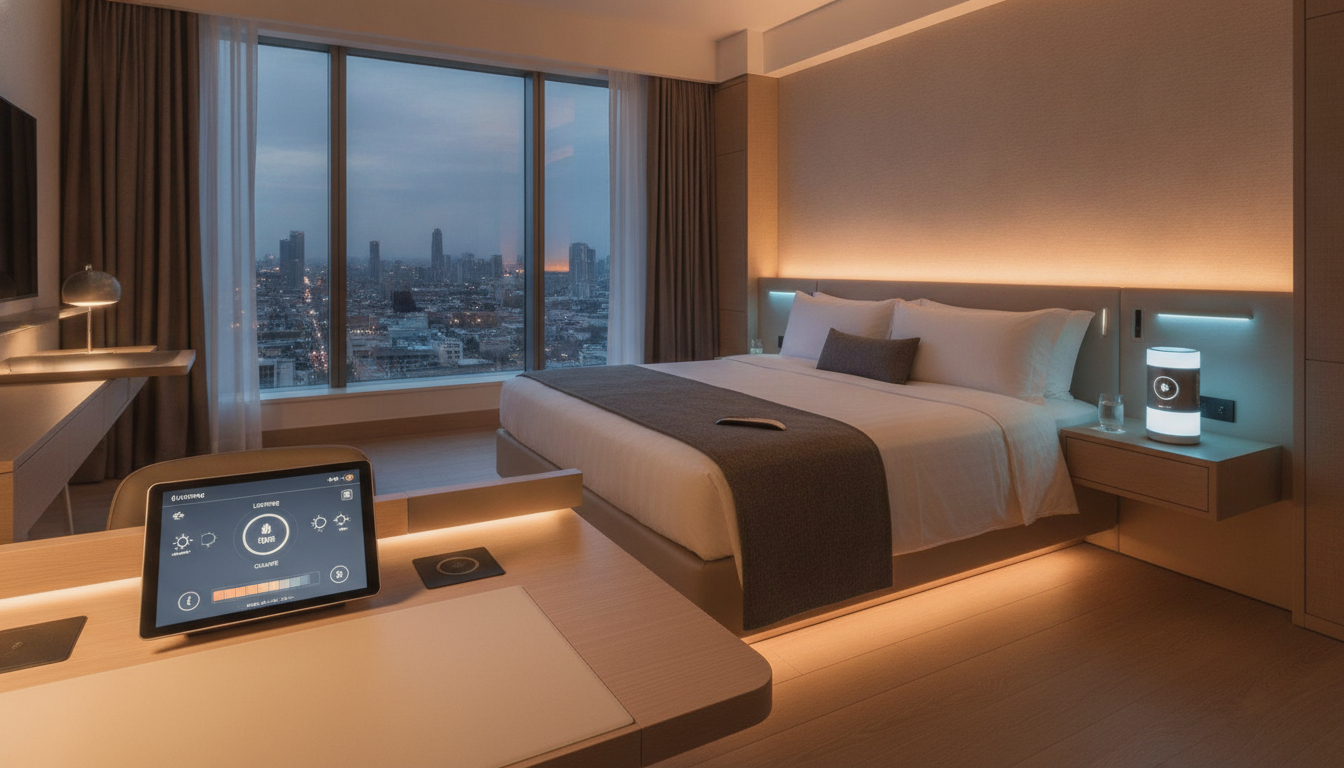
George Dfouni once noted, "The future of hospitality lies in the seamless blend of human touch and digital innovation." This philosophy captures the current shift in the travel industry, where guests now demand more than just a comfortable bed.
Modern travelers prioritize efficiency and personalization throughout their stay. As a result, smart room technology for hotels has evolved from a luxury perk into a fundamental expectation. These digital advancements allow guests to control their environment with ease, creating a frictionless journey from the moment they arrive.
By integrating intuitive systems, properties can offer unparalleled convenience that meets the needs of today’s tech-savvy visitors. Implementing smart room technology for hotels ensures that every interaction feels tailored and responsive. This digital transformation ultimately elevates the entire guest experience, turning standard visits into memorable stays.
Key Takeaways
- Digital integration is now a primary expectation for modern travelers.
- Personalization drives higher guest satisfaction and loyalty.
- Seamless automation reduces friction during the check-in and stay process.
- Innovative systems allow guests to control their environment effortlessly.
- Modernizing facilities helps properties remain competitive in a crowded market.
What is Smart Room Technology?
Intelligent hotel rooms represent the next frontier in providing seamless and personalized guest services. By integrating advanced digital tools, these spaces transform a standard stay into a highly responsive environment that anticipates individual needs.
Defining Smart Room Technology
At its core, smart room technology for hotels refers to a cohesive ecosystem of hardware and software designed to automate and enhance the guest experience. It connects various room functions—such as lighting, temperature, and entertainment—into a single, manageable interface.
This technology relies on interconnected devices that communicate with each other to create a frictionless atmosphere. Instead of manual adjustments, guests enjoy a room that adapts to their presence, ensuring comfort from the moment they step through the door.
"The true power of technology in hospitality lies in its ability to disappear into the background, leaving the guest with nothing but a sense of effortless comfort."
Key Components of Smart Room Systems
Building intelligent hotel rooms requires a robust infrastructure that supports real-time data exchange. These systems typically feature a centralized control hub, which acts as the "brain" of the suite, allowing guests to manage their environment via voice commands or mobile applications.
Beyond the central hub, several hardware components work in tandem to maintain efficiency and convenience. The following table outlines the primary differences between traditional setups and modern smart configurations.
| Feature | Traditional Room | Smart Room |
|---|---|---|
| Climate Control | Manual Thermostat | Automated Sensors |
| Lighting | Wall Switches | Voice/App Control |
| Security | Physical Key | Digital/Mobile Key |
| Maintenance | Reactive Repairs | Predictive Alerts |
These components ensure that the hotel remains energy-efficient while providing a premium experience. By utilizing motion sensors and smart locks, operators can reduce waste and improve security, proving that innovation is essential for modern lodging success.
Benefits of Smart Room Technology for Hotels
Modern lodging facilities are discovering that hotel room automation is the key to unlocking a superior guest experience. By integrating digital solutions, properties can transform how they interact with visitors while simultaneously optimizing their internal workflows. This shift toward high-tech hospitality creates a seamless environment that meets the high expectations of today's travelers.
Improving Guest Comfort
The primary goal of any hospitality business is to ensure that guests feel at home. Automated hotel room technology allows visitors to control their environment with simple voice commands or a mobile app. Guests can easily adjust lighting, temperature, and entertainment settings without needing to leave their beds.
This level of control fosters a sense of empowerment and relaxation. When a room intuitively responds to a guest's preferences, it creates a memorable stay that encourages repeat visits. Providing such a personalized atmosphere is a major advantage in a competitive market.
Boosting Energy Efficiency
Sustainability is no longer just a trend; it is a core requirement for modern hotels. Intelligent climate and lighting management systems significantly reduce utility waste by detecting when a room is unoccupied. These systems automatically dim lights and adjust thermostats to eco-friendly levels, which helps properties lower their carbon footprint.
By minimizing unnecessary energy consumption, hotels can achieve substantial cost savings over time. This automated hotel room technology ensures that resources are used only when needed. It is a smart investment that benefits both the environment and the bottom line.
Streamlining Hotel Operations
Beyond guest satisfaction, hotel room automation plays a vital role in improving staff productivity. When rooms are equipped with smart sensors, maintenance teams receive real-time alerts regarding equipment status or cleaning needs. This allows staff to focus on high-value service tasks rather than performing manual room checks.
The following table highlights the key differences between traditional and automated room management systems:
| Feature | Traditional System | Automated System |
|---|---|---|
| Energy Control | Manual adjustment | Sensor-based optimization |
| Maintenance | Reactive repairs | Predictive alerts |
| Guest Experience | Standardized | Highly personalized |
| Staff Workflow | Manual inspections | Data-driven scheduling |
Popular Smart Room Technologies in the Market
High-tech hotel accommodations are no longer a luxury but a standard requirement for the modern traveler. Guests now expect their temporary living spaces to be as intuitive and connected as their own homes. By adopting these innovations, properties can significantly improve the overall guest experience while streamlining internal workflows.
Smart Thermostats
Climate control is a top priority for any guest. Smart thermostats allow visitors to set their preferred temperature with precision, ensuring maximum comfort throughout their stay. These systems also help hotels reduce energy waste by automatically adjusting settings when a room is unoccupied.
Voice-Activated Assistants
Voice technology has transformed how guests interact with their surroundings. These smart hotel room amenities allow travelers to control lights, request room service, or check local weather updates using simple voice commands. This hands-free convenience creates a truly modern and effortless environment for every guest.
Automated Lighting Systems
Lighting plays a crucial role in setting the mood of a room. Automated systems enable guests to customize brightness levels or choose pre-set scenes for reading, sleeping, or relaxing. By integrating these controls, hotels provide a personalized atmosphere that adapts to the specific needs of the individual.
Smart Locks
Security and convenience are the pillars of a great guest experience. Smart devices for hotels, such as keyless entry systems, allow guests to unlock their doors using a smartphone app or a digital code. This technology eliminates the frustration of lost key cards and provides a seamless arrival process that saves time for both the guest and the front desk staff.
Enhancing Guest Experience with Personalization
Imagine walking into a hotel room that already knows your favorite temperature and lighting preferences. The era of intelligent hotel rooms has arrived, turning standard stays into highly curated experiences. By leveraging data, hotels can now ensure that every guest feels right at home the moment they step through the door.
Tailoring Room Settings
Modern technology allows for a seamless transition from the lobby to the guest suite. Guests can control their environment with precision, adjusting everything from the hue of the lights to the ambient room temperature. These intelligent hotel rooms provide a level of comfort that was previously impossible to achieve manually.
- Automated climate control that adjusts based on occupancy.
- Customizable lighting scenes for reading, relaxing, or working.
- Personalized entertainment hubs that sync with a guest's streaming accounts.
Integrating Guest Preferences
Hotels are increasingly using secure profiles to remember what makes a guest comfortable. When a traveler returns to a property, the system automatically recalls their specific settings from previous visits. This seamless integration removes the friction of manual setup, allowing guests to relax immediately upon arrival.
By storing these preferences, staff can focus on high-touch service rather than basic room adjustments. It creates a truly personalized atmosphere that encourages loyalty and repeat bookings. Guests appreciate the attention to detail that recognizes their unique habits.
Predictive Analytics for Guest Needs
The most advanced systems go beyond simple memory by using predictive analytics to anticipate what a guest might need next. These intelligent hotel rooms analyze patterns to suggest services or amenities before a request is even made. For example, if a guest consistently orders room service at a specific time, the system can prompt the kitchen to prepare accordingly.
This proactive approach significantly enhances the overall quality of the stay. It transforms the hotel experience from reactive to anticipatory, ensuring that every need is met with speed and accuracy. By staying one step ahead, hotels can provide a level of service that feels both intuitive and highly professional.
Cost Considerations for Hotels Implementing Smart Technology
Smart room upgrades represent a significant capital investment that demands careful financial scrutiny. When property owners decide to integrate smart devices for hotels, they must look beyond the initial price tag to understand the full lifecycle of the technology.
Initial Setup Costs
The primary financial hurdle involves the upfront capital expenditure required for hardware procurement and installation. This includes purchasing sensors, smart thermostats, and automated lighting controls that form the backbone of a modern room.
Beyond the hardware, hotels must account for professional installation fees and potential room downtime. Careful planning during this phase helps prevent budget overruns and ensures that the infrastructure is compatible with existing electrical systems.
Ongoing Maintenance and Updates
Once the systems are live, the focus shifts to long-term operational expenses. It is vital to budget for regular software updates to keep smart devices for hotels secure and functional against evolving digital threats.
Technical support is another essential line item that managers should not overlook. Investing in a reliable maintenance contract ensures that any hardware malfunctions are addressed quickly, which protects the guest experience and extends the longevity of the installed systems.
Ultimately, while the initial investment in smart devices for hotels may seem substantial, the long-term gains in energy efficiency and guest satisfaction often justify the expense. A well-maintained system remains a valuable asset for years to come.
Success Stories: Hotels Using Smart Room Technology
Real-world applications of smart technology have fundamentally changed how guests interact with their hotel environments. Industry experts, including George Dfouni, often highlight that the most successful implementations focus on solving genuine guest pain points rather than just adding gadgets. By prioritizing user-friendly interfaces, these hotels have managed to create spaces that feel both futuristic and intuitive.
Case Study: Marriott’s Smart Rooms
Marriott has been a pioneer in testing the limits of the Internet of Things (IoT) within the hospitality sector. Their innovative approach allows guests to control various room features through a centralized hub or a mobile application. This level of customization ensures that every stay feels tailored to the individual traveler's specific needs.
The brand has successfully integrated these systems to provide a seamless experience that includes:
- Voice-controlled lighting and temperature adjustments.
- Personalized streaming services that sync with guest accounts.
- Automated check-in and digital key access for improved convenience.
Case Study: Hilton’s Innovative Solutions
Hilton has focused heavily on its "Connected Room" initiative, which puts the power of the room directly into the guest's hands. By leveraging their existing mobile app, they allow travelers to manage their environment before they even step through the door. This proactive strategy has significantly boosted guest satisfaction scores across their properties.
The goal is to provide a frictionless experience where the room anticipates the needs of the guest, creating a truly personalized stay that feels like home.
By focusing on seamless integration, these major brands have set a high bar for the rest of the industry. Their success demonstrates that when technology is implemented with a clear purpose, it creates a lasting positive impact on both operations and guest loyalty.
Integrating Smart Technology with Existing Systems
Successful digital transformation in hospitality often hinges on how well new systems talk to existing infrastructure. Many property owners find that upgrading legacy buildings requires a delicate balance between preserving historical charm and implementing modern hotel room automation. This process demands a clear strategy to ensure that new digital layers do not conflict with the foundational systems already in place.
Challenges of Integration
The primary hurdle often lies in the incompatibility between outdated hardware and modern software protocols. Older properties frequently rely on proprietary systems that were never designed to communicate with external networks or cloud-based platforms. This creates significant data silos, making it difficult to achieve a unified view of guest preferences and room status.
Furthermore, the physical infrastructure of older buildings can limit the deployment of IoT in hotel rooms. Thick walls or outdated electrical wiring may interfere with wireless signals, leading to connectivity gaps. Without a robust network foundation, even the most advanced smart devices will struggle to perform reliably for guests.
Solutions for Seamless Adoption
To overcome these obstacles, many hotels are turning to middleware solutions that act as a bridge between legacy property management systems and new technology. These platforms translate data from older hardware into a format that modern applications can understand. By using this approach, hotels can avoid the massive expense of a complete system overhaul.
Adopting a phased rollout strategy is another highly effective method for ensuring stability. Instead of attempting a full-scale installation, managers can start by upgrading a single floor or a specific wing. This allows the technical team to identify and resolve potential issues with IoT in hotel rooms before expanding the project to the entire property.
Finally, prioritizing cloud-native hotel room automation tools can simplify long-term maintenance. Cloud platforms reduce the need for on-site servers and allow for automatic software updates. This ensures that the system remains secure and compatible with future technological advancements without requiring constant manual intervention.
Ensuring Security in Smart Rooms
Protecting guest data is the cornerstone of a successful digital transformation in the hospitality industry. As hotels adopt more connected devices, the need for robust safety protocols grows significantly. Guest trust remains the most valuable asset for any property, and it must be protected at all costs.
Data Privacy Considerations
The integration of IoT in hotel rooms creates a vast network of data points that require careful management. Hotels must be transparent about what information is collected, such as temperature preferences or voice assistant interactions. Guests deserve to know that their personal habits are not being exploited or stored indefinitely.
Privacy policies should be clear and easily accessible to every visitor. By limiting data collection to only what is necessary for service, hotels can reduce their overall risk profile. Transparency is the best way to ensure that guests feel comfortable using modern room features.
"Security is not a product, but a process that requires constant vigilance and adaptation to new threats."
Cybersecurity Measures
Implementing strong cybersecurity measures is essential to prevent unauthorized access to hotel networks. IT teams should use network segmentation to isolate guest devices from critical hotel infrastructure. This ensures that if one device is compromised, the rest of the system remains secure.
Regular software updates are another vital component of maintaining a safe environment for IoT in hotel rooms. Outdated firmware often contains vulnerabilities that hackers can easily exploit. Hotels must prioritize automated patching to keep all connected hardware running the latest security protocols.
Finally, conducting frequent security audits helps identify potential weaknesses before they become major issues. By staying ahead of emerging threats, properties can provide a safe and seamless experience for every guest. Investing in these protections is a non-negotiable step for any hotel looking to lead in the digital age.
Training Staff to Manage Smart Room Technology
While technology drives innovation, the human element remains the heartbeat of exceptional guest service. Even the most advanced automated hotel room technology requires a skilled team to ensure everything runs smoothly for the guest. When staff members feel confident using these tools, they can provide a more seamless and personalized experience.
Creating a Training Program
A successful training program should be practical, interactive, and tailored to the specific needs of the property. It is essential to move beyond basic manuals and provide hands-on experience with the actual devices installed in the rooms. By doing so, employees learn how to troubleshoot common issues before they ever impact a guest's stay.
To build an effective curriculum, consider incorporating the following elements:
- Role-playing scenarios: Practice assisting guests who may struggle with voice-activated assistants or smart thermostats.
- Troubleshooting workshops: Teach staff how to perform quick resets on automated hotel room technology to resolve connectivity glitches.
- Digital resource libraries: Provide easy access to quick-reference guides and video tutorials for immediate support.
Importance of Ongoing Education
The hospitality landscape changes rapidly, and your team must evolve alongside it. As software updates are released and new features are added to the property, continuous learning becomes a necessity rather than an option. Regular training sessions ensure that staff members remain proficient with the latest versions of their digital tools.
Ongoing education also helps maintain high morale by empowering employees to master new skills. When staff members understand the full potential of their automated hotel room technology, they become better advocates for the guest experience. Investing in your team’s knowledge today guarantees that your hotel remains at the forefront of modern service standards.
Future Trends in Smart Room Technology
High-tech hotel accommodations are evolving to meet the sophisticated demands of modern travelers. As digital connectivity becomes a baseline expectation, the industry is pushing boundaries to create environments that feel truly intuitive.
Emerging Technologies to Watch
The next wave of innovation focuses on seamless interaction between the guest and their environment. Augmented reality is poised to change how guests navigate their surroundings, offering virtual concierge services that appear directly in their field of vision.
Furthermore, advanced biometrics will likely replace traditional key cards. By using facial recognition or fingerprint scanning, futuristic hotel room technology will allow guests to enter their rooms and access personalized settings without carrying any physical items.
Predictions for the Hospitality Industry
Industry experts anticipate that the standard hotel stay will become increasingly predictive. Hotels will leverage data to anticipate guest needs before they are even voiced, adjusting room temperatures or lighting based on historical preferences.
This shift toward hyper-personalization means that high-tech hotel accommodations will become the gold standard for luxury and convenience. As these tools become more affordable, even mid-range properties will adopt futuristic hotel room technology to remain competitive in a crowded market.
| Technology Feature | Current Standard | Future Expectation |
|---|---|---|
| Access Control | RFID Key Cards | Biometric Scanning |
| Guest Assistance | Manual Requests | Predictive AI Concierge |
| Room Environment | Wall Thermostats | AR-Integrated Controls |
| Connectivity | Standard Wi-Fi | Seamless IoT Integration |
The Role of Guest Feedback in Tech Development
Direct guest feedback serves as the ultimate compass for refining smart hotel room amenities. When hotels listen to the people actually using their systems, they gain a clear picture of what works and what causes frustration. This collaborative approach ensures that technology investments provide genuine value rather than just serving as expensive gimmicks.
Collecting Feedback Effectively
Hotels can gather actionable data through a variety of digital and traditional channels. Automated post-stay surveys are a standard method, but they often lack the nuance of real-time interaction. Many properties now use digital interaction logs to see exactly which features guests engage with most frequently.
By monitoring how often a guest adjusts the smart thermostat or uses voice commands, management can identify potential usability gaps. Proactive engagement during the stay, such as a quick prompt on the room tablet, also encourages guests to share their thoughts while the experience is still fresh.
Making Improvements Based on Insights
Once data is collected, the next step involves turning those insights into tangible upgrades. If guests consistently report difficulty with a specific interface, developers can simplify the menu or provide better tutorials. This iterative design process is essential for keeping smart hotel room amenities relevant and user-friendly.
Hotels that act on feedback demonstrate that they value the guest experience above all else. This builds long-term loyalty and ensures that future tech rollouts are met with enthusiasm rather than confusion. The following table outlines the most effective ways to gather and utilize this critical information.
| Feedback Method | Primary Benefit | Implementation Ease |
|---|---|---|
| Digital Interaction Logs | Tracks actual usage patterns | High |
| In-Room Tablet Surveys | Captures immediate reactions | Medium |
| Post-Stay Email Surveys | Provides detailed qualitative data | High |
| Social Media Monitoring | Identifies public sentiment | Medium |
Conclusion: The Future of Smart Room Technology in Hotels
Modern travelers expect seamless digital interactions during their stays. Adopting smart room technology for hotels transforms a standard visit into a personalized journey. This shift ensures that every guest feels recognized and valued from the moment they check in.
Long-term Implications for Guest Satisfaction
High satisfaction levels depend on how well a property anticipates individual needs. When systems work in harmony, guests enjoy a frictionless environment that feels intuitive. This level of service builds lasting loyalty and encourages repeat visits to properties that prioritize innovation.
Final Thoughts on Smart Technology Integration
The hospitality landscape continues to evolve through the adoption of futuristic hotel room technology. Leaders like Marriott and Hilton prove that digital tools serve as the backbone of modern comfort. Investing in these systems creates a competitive edge that defines the next era of excellence in the travel industry.