
Discover the Top Hotel Design Trends Transforming Hospitality, George Dfouni
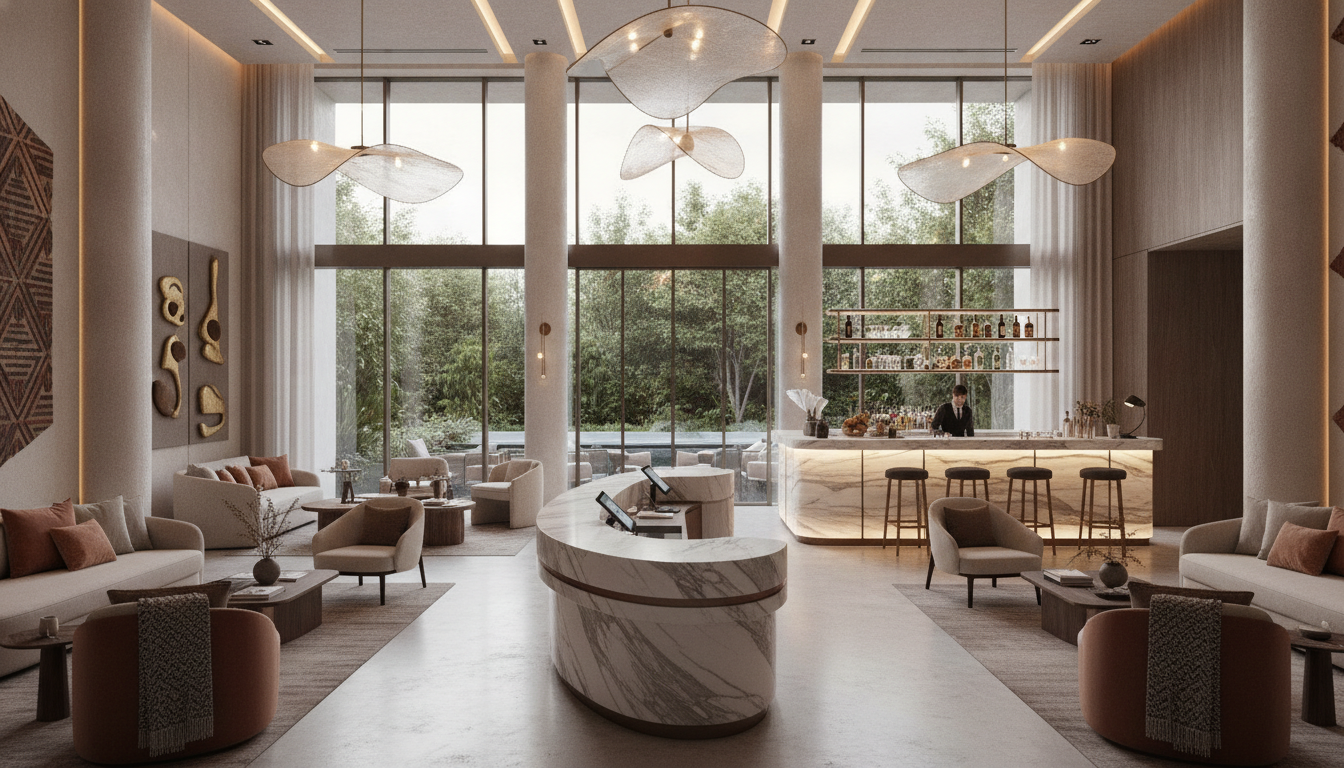
The hospitality industry is currently undergoing a massive evolution. As industry expert George Dfouni wisely notes, "True luxury is found in the seamless integration of space and human emotion." This perspective highlights how modern lodging is moving far beyond simple aesthetics to create meaningful guest experiences.
Today, top hotel design trends are fundamentally changing how visitors interact with their surroundings. These shifts prioritize comfort, functionality, and emotional resonance. For property owners in the United States, understanding these changes is now a critical component of a successful business strategy.
Key Takeaways
- Modern hospitality focuses on the emotional connection between guests and their environment.
- Design choices now serve as a core pillar of long-term business strategy.
- Guest expectations have shifted toward spaces that offer both comfort and utility.
- Strategic updates help properties remain competitive in the American market.
- Successful spaces prioritize seamless integration of technology and human-centric features.
Embracing Sustainability in Hotel Design
Sustainability has moved from a niche preference to a core pillar of contemporary hospitality design. Modern travelers now actively seek out properties that align with their personal values regarding the environment. By adopting sustainable hotel design, properties can reduce their ecological impact while simultaneously enhancing the guest experience.
Incorporating Eco-Friendly Materials
The selection of building materials plays a vital role in the long-term success of a property. Designers are increasingly turning to renewable resources like bamboo, reclaimed wood, and recycled metals to create stunning interiors. These hospitality design concepts not only minimize waste but also provide a unique, authentic aesthetic that guests find deeply appealing.
Local sourcing is another essential strategy for reducing the carbon footprint of construction. By utilizing materials found within the region, hotels can support local economies while lowering transportation emissions. This approach ensures that the building feels connected to its specific geographic location.
Energy Efficiency and Smart Technology
Energy management is a critical component of one of the most important top hotel design trends today. Advanced smart systems now allow hotels to monitor and adjust heating, cooling, and lighting in real-time based on occupancy. These automated solutions ensure that energy is never wasted in empty rooms or common areas.
Beyond simple savings, these technologies provide data-driven insights that help management optimize operations. Guests benefit from a more comfortable environment that responds to their needs without requiring manual intervention. This seamless integration of technology is a hallmark of modern, responsible hospitality.
Biophilic Design Elements
Biophilic design focuses on bringing the outdoors inside to improve the well-being of guests. By incorporating living walls, natural light, and indoor gardens, hotels create a sense of tranquility that is often missing in urban environments. These elements are proven to reduce stress and improve the overall mood of visitors.
The following table highlights how these sustainable features compare in terms of impact and implementation:
| Feature | Primary Benefit | Implementation Level |
|---|---|---|
| Renewable Materials | Reduced Carbon Footprint | High |
| Smart Energy Systems | Operational Cost Savings | Medium |
| Biophilic Elements | Enhanced Guest Wellness | Medium |
| Local Sourcing | Community Support | High |
Ultimately, these hospitality design concepts represent the future of the industry. As top hotel design trends continue to evolve, the commitment to the planet will remain a defining characteristic of successful brands. Embracing sustainable hotel design is not just a trend; it is a necessary evolution for the modern era.
The Rise of Minimalism in Hospitality Spaces
Minimalism has evolved from a design trend into a core philosophy for boutique hotels across the United States. Modern travelers are increasingly seeking refuge in spaces that strip away the unnecessary to reveal pure comfort. By removing visual clutter, designers are creating environments that allow guests to breathe and recharge during their stay.
Simplified Aesthetic Choices
The latest hotel decorating ideas often focus on a "less is more" approach to visual composition. Designers utilize neutral color palettes, such as soft grays, warm beiges, and crisp whites, to establish a sense of openness. These simplified aesthetic choices ensure that the room feels airy rather than cramped, which is a hallmark of current boutique hotel trends.
Functionality Over Excess
In a minimalist space, every piece of furniture must serve a clear purpose. Designers are moving away from ornate decorations that serve no practical function, opting instead for sleek, multi-purpose items. This shift in hotel interior design prioritizes guest convenience by providing ample storage and intuitive layouts that keep the room organized and accessible.
Creating Tranquil Environments
The ultimate goal of these design choices is to foster a deep sense of calm. By reducing sensory overload, hotels can offer a sanctuary from the busy outside world. This approach to boutique hotel trends is highly effective in urban locations where guests crave a quiet escape after a long day of exploration.
The following table highlights the key differences between traditional and minimalist design approaches in the hospitality sector:
| Design Feature | Traditional Approach | Minimalist Approach |
|---|---|---|
| Color Palette | Vibrant and complex | Neutral and monochromatic |
| Furniture | Decorative and ornate | Sleek and functional |
| Space Usage | Filled with accessories | Open and uncluttered |
| Guest Experience | Stimulating and busy | Calm and restorative |
Implementing these latest hotel decorating ideas requires a careful balance of form and function. When executed correctly, the result is a sophisticated space that feels both intentional and welcoming to every guest.
Personalized Guest Experiences Through Design
Today’s top hotels are moving away from cookie-cutter rooms toward highly personalized environments. Modern hotel interior design focuses on the guest as an individual rather than just a room number. By prioritizing flexibility, properties can create a space that feels like a home away from home.
Customizable Room Settings
Guests now expect the ability to adjust their surroundings to match their specific moods. Advanced hospitality design concepts allow visitors to control lighting, temperature, and even furniture configurations with a simple touch. This level of control ensures that every stay is perfectly suited to the guest's comfort preferences.
Interactive Technology Integration
The use of innovative hotel interiors relies heavily on seamless tech integration. From mobile apps that act as universal remotes to smart mirrors that display local weather, technology bridges the gap between convenience and luxury. These tools empower guests to manage their entire experience without needing to visit the front desk.
The Role of Local Culture in Design
Beyond technology, a sense of place remains vital for a truly unique stay. Designers often incorporate local art, traditional textiles, and regional materials to ground the hotel interior design in its specific location. This storytelling approach helps travelers feel a deeper emotional connection to the destination they are visiting.
The following table highlights how these modern strategies compare to traditional hospitality approaches:
| Feature | Traditional Approach | Personalized Approach |
|---|---|---|
| Room Layout | Fixed and standard | Flexible and modular |
| Guest Control | Manual switches | Smart/App-based |
| Design Theme | Generic global style | Local cultural storytelling |
| Interaction | Front desk focused | Digital and seamless |
By embracing these hospitality design concepts, hotels can significantly improve guest satisfaction. When a space adapts to the user, it creates a lasting impression that encourages repeat visits and positive reviews.
Revamping Common Areas: Social Spaces
Industry experts like George Dfouni emphasize that the heart of a successful hotel lies in its ability to bring people together. Modern properties are moving away from static, formal layouts to create dynamic environments that encourage interaction. This shift in hotel interior design ensures that guests feel a sense of belonging the moment they step through the doors.
Creating Inviting Lobbies
The lobby is no longer just a place for check-in; it has become a bustling social hub. Designers now incorporate plush seating, local art, and coffee bars to make these spaces feel like a living room. By focusing on boutique hotel trends, properties can transform a simple transit area into a destination for relaxation and conversation.
Versatile Meeting Spaces
Today’s travelers often need to balance professional tasks with leisure time. Hotels are responding by creating flexible meeting areas that feature high-speed connectivity and ergonomic furniture. These spaces easily transition from a quiet workspace during the day to a lively cocktail lounge in the evening.
Open-Air Lounges and Terraces
Connecting with the outdoors is a vital component of contemporary hospitality. Open-air lounges and rooftop terraces provide a refreshing escape from the traditional indoor setting. These areas utilize natural light and greenery to foster a tranquil atmosphere, making them perfect for social gatherings or quiet reflection.
| Space Type | Primary Function | Key Feature |
|---|---|---|
| Lobby | Socializing | Communal Seating |
| Meeting Area | Productivity | Modular Furniture |
| Terrace | Relaxation | Outdoor Views |
Smart Technology Implementation in Hotels
Luxury hotel decor now encompasses more than just aesthetics; it includes the invisible layer of smart technology. By integrating digital solutions, properties can elevate the guest journey while maintaining a sleek, modern appearance. These hospitality design concepts are essential for any brand aiming to stay relevant in a fast-paced market.
Keyless Entry and Mobile Check-In
The traditional front desk experience is being replaced by seamless mobile integration. Guests now prefer the ability to bypass queues entirely by using their smartphones as digital room keys. This shift not only improves operational efficiency but also provides a sense of autonomy that modern travelers highly value.
Voice-Activated Amenities
Voice-controlled systems allow guests to manage their environment without lifting a finger. From adjusting the lighting to requesting room service, these tools add a layer of sophisticated convenience to the stay. Such features are becoming a standard expectation in high-end properties that prioritize a frictionless experience.
Smart Room Controls
Advanced room controls enable guests to customize their climate, lighting, and entertainment settings with ease. These systems often utilize sensors to optimize energy usage, which aligns with broader sustainability goals. By focusing on hospitality design concepts, hotels can ensure that technology enhances rather than distracts from the overall atmosphere.
"The future of hospitality lies in the ability to anticipate guest needs through intuitive, invisible technology that feels like magic."
To better understand how these advancements compare to traditional methods, consider the following breakdown of guest-facing features:
| Feature | Traditional Method | Smart Implementation |
|---|---|---|
| Check-in Process | Manual desk interaction | Mobile app verification |
| Room Access | Physical plastic key | Encrypted digital key |
| Room Controls | Wall-mounted switches | Voice or tablet interface |
| Service Requests | Phone call to staff | Instant digital messaging |
Ultimately, the successful integration of these tools defines the modern luxury hotel decor experience. When technology works in harmony with interior design, it creates a space that is both beautiful and highly functional for every guest.
Vintage and Retro Influences in Modern Design
The charm of yesteryear is making a bold comeback in today's most stylish hotel interiors. Designers are increasingly looking to the past to inform the latest hotel decorating ideas, blending nostalgic character with contemporary comfort. This approach creates a unique atmosphere that feels both familiar and refreshingly new.
Nostalgic Decor Elements
Incorporating vintage pieces allows a space to tell a story. Designers often select mid-century modern furniture or antique brass fixtures to anchor a room in history. These items provide a sense of authenticity that mass-produced decor simply cannot replicate.
By focusing on high-quality craftsmanship, hotels can elevate their aesthetic appeal. Guests often appreciate the tactile nature of velvet upholstery or the intricate patterns found in vintage-inspired rugs. These elements are essential for those seeking to define their property through boutique hotel trends.
Combining Old with New
The true art of design lies in the balance between heritage and innovation. Successful luxury hotel decor requires a careful mix of classic silhouettes and modern, high-tech amenities. This contrast prevents a space from feeling like a museum while maintaining its historical soul.
For instance, a restored 1920s building might feature original crown molding paired with sleek, minimalist lighting. This juxtaposition highlights the beauty of both eras. It ensures that the guest experience remains comfortable without sacrificing the property's unique identity.
The Charm of Retro Color Palettes
Color plays a vital role in evoking a sense of nostalgia. Many designers are moving away from sterile whites in favor of warm, earthy tones like mustard yellow, burnt orange, and deep olive green. These shades bring a cozy, inviting energy to guest rooms and common areas.
When used thoughtfully, these palettes create a cohesive look that feels intentional and sophisticated. They serve as a cornerstone for the latest hotel decorating ideas, helping properties stand out in a competitive market. Below is a comparison of how these design elements function in a modern space.
| Design Feature | Vintage Influence | Modern Integration |
|---|---|---|
| Furniture | Mid-century silhouettes | Ergonomic comfort |
| Lighting | Brass and glass pendants | Energy-efficient LEDs |
| Color Palette | Warm, earthy tones | Balanced neutral bases |
| Materials | Rich velvet and wood | Sustainable, durable fabrics |
The Importance of Wellness Design
Wellness has evolved into a primary focus for hospitality designers aiming to create restorative environments. Guests now seek properties that support their physical and mental health throughout their stay. This shift encourages architects to prioritize comfort and rejuvenation in every corner of the building.
Spa-Like Bathrooms
The modern bathroom serves as a private sanctuary for guests. Designers often incorporate luxury hotel decor to transform these spaces into personal spas. Features like rainfall showerheads, deep soaking tubs, and ambient lighting help guests unwind after a long day of travel.
High-quality materials such as natural stone and polished wood enhance the sensory experience. These elements provide a clean, calming aesthetic that promotes relaxation. Attention to detail in these spaces ensures that every guest feels pampered and refreshed.
Meditation and Relaxation Zones
Hotels are increasingly dedicating quiet areas for mindfulness and meditation. These zones offer a peaceful escape from the busy pace of urban life. Soft textures, neutral color palettes, and sound-dampening materials create an atmosphere of total tranquility.
Many properties now include small, secluded gardens or indoor lounges designed specifically for reflection. By providing these spaces, hotels demonstrate a commitment to the holistic well-being of their visitors. This thoughtful approach helps guests maintain their mental clarity while away from home.
Fitness and Wellness Facilities
Modern fitness centers are moving beyond basic equipment to offer comprehensive health experiences. Integrating sustainable hotel design into these facilities ensures that personal health aligns with environmental responsibility. Energy-efficient ventilation systems and eco-friendly flooring are becoming standard in top-tier gyms.
These facilities often feature large windows that allow for natural light, creating an uplifting environment for exercise. By combining advanced technology with green building practices, hotels provide a superior workout experience. The following table highlights key features that define a modern wellness-focused property.
| Amenity Type | Primary Benefit | Design Focus |
|---|---|---|
| Spa Bathrooms | Stress Reduction | Luxury Materials |
| Meditation Zones | Mental Clarity | Acoustic Comfort |
| Fitness Centers | Physical Health | Sustainable Systems |
Color Trends: Bold Choices for Modern Hotels
Experts like George Dfouni often emphasize that color serves as the silent language of hospitality. It is a fundamental tool for shaping the emotional atmosphere of a space, influencing how guests perceive their surroundings from the moment they step into the lobby. By integrating bold color choices, designers can elevate modern hotel architecture to create truly memorable guest experiences.
Incorporating Pantone 2023 Shades
The design world frequently looks to Pantone for inspiration, and recent trends have embraced high-energy, saturated tones. Shades like Viva Magenta have become popular for adding a sense of vitality and optimism to hotel common areas. These bold choices help properties stand out in a competitive market by offering a fresh, contemporary aesthetic.
Designers often pair these vibrant Pantone shades with neutral foundations to ensure the space remains balanced. This approach allows the color to act as a focal point without overwhelming the senses. It is a strategic way to keep interiors feeling current and stylish.
Accent Walls and Unique Textures
Creating innovative hotel interiors often involves more than just paint; it requires the thoughtful application of texture. Accent walls serve as the perfect canvas for bold colors, especially when combined with materials like velvet, reclaimed wood, or metallic finishes. These elements add depth and character to guest rooms and social lounges.
Texture changes how light interacts with a surface, making a bold color appear dynamic throughout the day. By layering these visual elements, designers create a tactile experience that feels both luxurious and intentional. Guests appreciate these small details that transform a standard room into a curated environment.
Color Psychology in Hospitality Design
Understanding the psychology of color is essential for any hospitality project. Different hues trigger specific emotional responses, which can be used to guide guest behavior in various zones of the hotel. For instance, warmer tones are often used in dining areas to stimulate appetite and social interaction, while cooler tones are reserved for relaxation zones.
The following table outlines how specific color palettes influence the mood of a space:
| Color Category | Primary Emotion | Best Application |
|---|---|---|
| Deep Blues | Calm and Trust | Guest Bedrooms |
| Warm Terracotta | Comfort and Energy | Lobbies and Cafes |
| Soft Greens | Balance and Wellness | Spa and Fitness Areas |
| Vibrant Yellows | Optimism and Joy | Creative Meeting Spaces |
By applying these principles, hotels can craft environments that support the intended purpose of every room. Thoughtful color selection remains one of the most effective ways to enhance the overall guest journey.
Multifunctional Spaces for Versatile Use
Today’s guests expect their hotel environment to be as dynamic and flexible as their own busy lifestyles. The demand for versatility has sparked a creative revolution in how properties are planned and built. By focusing on adaptability, hotels can now offer a seamless transition between work, rest, and play within a single footprint.
Adaptive Room Layouts
Modern designers are moving away from rigid, static floor plans to embrace more fluid configurations. These adaptive layouts allow a room to function as a private office during the morning hours and a cozy retreat by evening. By utilizing sliding partitions or modular wall systems, hotels can maximize the utility of every square foot available.
This approach is a hallmark of modern hotel architecture, ensuring that space is never wasted. Guests appreciate the ability to customize their surroundings to fit their immediate needs. Whether they are hosting a small meeting or simply relaxing, the room evolves with them.
Utilizing Outdoor Areas
Expanding the guest experience beyond the four walls of a room is a growing priority for developers. By integrating terraces, courtyards, and rooftop gardens, properties can create sustainable hotel design solutions that feel open and airy. These outdoor zones serve as natural extensions of the lobby or guest rooms.
When outdoor spaces are designed with purpose, they provide significant value to the guest experience. They offer a refreshing change of scenery while promoting a connection to the local environment. This strategy is essential for any project aiming to balance luxury with eco-conscious planning.
Flexible Furniture Solutions
The secret to a truly versatile space often lies in the choice of furnishings. Hotels are increasingly investing in pieces that serve multiple functions, such as desks that fold into vanity tables or ottomans that provide hidden storage. These flexible furniture solutions are vital for maintaining a clean, minimalist aesthetic without sacrificing comfort.
By selecting high-quality, multi-use items, owners can reduce clutter and improve the overall flow of the room. This commitment to sustainable hotel design also means fewer pieces need to be replaced over time. Thoughtful furniture selection remains a cornerstone of innovative modern hotel architecture, proving that style and function can coexist beautifully.
The Impact of Lighting in Hotel Design
Few elements define the atmosphere of a hotel as profoundly as the strategic application of light. It acts as a silent architect, guiding guests through spaces while highlighting the unique textures and materials of the building. By carefully balancing brightness and shadow, designers can elevate modern hotel architecture to new heights of sophistication.
Natural Light and Its Benefits
Maximizing daylight is a top priority for designers aiming to create healthy and inviting environments. Large floor-to-ceiling windows not only reduce the need for artificial power during the day but also foster a deep connection between the guest and the surrounding landscape. This integration of the outdoors helps regulate circadian rhythms, ensuring guests feel refreshed throughout their stay.
Innovative Lighting Fixtures
Beyond natural sources, the choice of hardware plays a critical role in defining the aesthetic of a property. Designers are increasingly selecting sculptural pieces that serve as functional art within the lobby or guest rooms. These fixtures are essential components of innovative hotel interiors, blending high-tech performance with timeless design appeal.
Modern installations often feature energy-efficient LED technology hidden within sleek, minimalist frames. This approach allows the light to take center stage without cluttering the visual field. By choosing fixtures that complement the overall theme, hotels can create a cohesive look that feels both intentional and luxurious.
Mood Lighting for Different Ambiances
The ability to shift the tone of a room is a hallmark of high-end hospitality. Smart control systems allow staff to adjust color temperatures and intensity based on the time of day or specific guest needs. A space that feels bright and energetic in the morning can transition into a warm, intimate sanctuary by evening.
This flexibility is vital for innovative hotel interiors that serve multiple purposes, such as lobby bars that double as workspaces. By utilizing layered lighting—combining ambient, task, and accent lights—hotels ensure that every corner remains functional and inviting. Ultimately, the thoughtful management of light ensures that every guest enjoys a personalized and comfortable experience.
Unique Architectural Styles Making a Comeback
Designers now look toward the past to shape the future of hospitality. By blending historical character with modern needs, properties create memorable guest experiences that feel both grounded and fresh.
Industrial Chic and Urban Loft Concepts
Exposed brick, raw steel, and open floor plans define the latest hotel decorating ideas. Brands like Ace Hotel utilize these elements to provide an authentic, gritty aesthetic that appeals to modern travelers. This approach turns structural history into a primary design feature.
Rustic Designs with Modern Twists
Natural wood and stone textures bring warmth to contemporary interiors. These top hotel design trends focus on comfort while maintaining clean lines. Guests appreciate the balance of organic materials paired with sleek, high-end furnishings.
Global Influences in Local Hotels
Travelers seek authentic connections to the places they visit. Incorporating international patterns and craftsmanship into local projects adds depth to any space. This strategy ensures that every property tells a unique story through its architecture and decor.
Which of these styles will define your next project? Share your thoughts on these top hotel design trends and start implementing the latest hotel decorating ideas today. Your vision helps shape the future of the hospitality industry.