
Economic Impact of Tourism in the United States Explained by George Dfouni
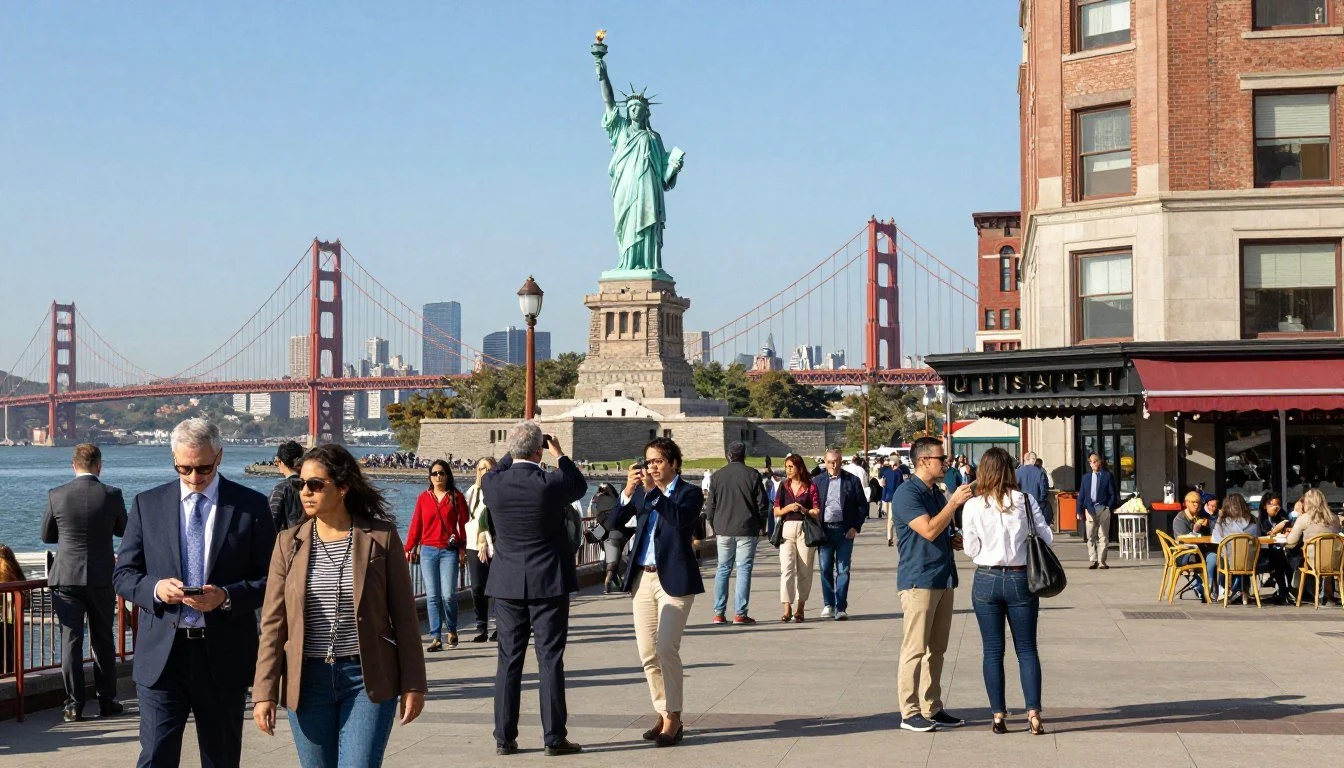
I have spent years observing how travel shapes our nation. The travel industry is far more than just vacations; it acts as a vital heartbeat for our country. When people explore new cities, they fuel a massive financial engine that supports millions of jobs.
Understanding the economic impact of tourism helps us see how visitor spending creates real prosperity. From small mountain towns to bustling coastal hubs, every dollar spent by a traveler ripples through local businesses. This cycle of growth strengthens our communities in ways we often overlook.
In this article, I will break down how these financial flows work. My goal is to show you exactly how your travel choices contribute to the national wealth. Let us explore the mechanics behind this essential industry together.
Key Takeaways
- Travel serves as a primary driver for financial stability across the United States.
- Visitor spending directly supports millions of jobs in diverse sectors.
- Local businesses rely heavily on the revenue generated by domestic and international travelers.
- Every dollar spent by a visitor creates a positive ripple effect in the regional economy.
- Understanding these financial patterns highlights the importance of supporting the travel industry.
Introduction to the Economic Impact of Tourism
Every time a traveler books a hotel or eats at a local diner, they are participating in a vast economic network. I view this movement of people not just as a simple vacation, but as a significant catalyst for capital flow across our country.
When we analyze the economic impact of tourism, we are really looking at how visitor spending ripples through our communities. It is a complex web of financial interactions that sustains growth in ways we often take for granted.
What is Tourism?
At its core, tourism is the movement of people for leisure or business purposes. Whether someone is traveling for a weekend getaway or a corporate conference, their presence creates immediate demand for goods and services.
"Tourism is the lifeblood of many local economies, turning simple travel into a powerful engine for national prosperity."
This movement creates a cycle where money spent by visitors stays within the local area. It supports jobs, funds public services, and encourages private investment in our infrastructure.
Overview of Economic Influence
To truly grasp how this industry functions, experts often conduct a detailed tourism fiscal impact study. These studies help us measure how every dollar spent by a visitor contributes to the broader national economy.
I find it fascinating how these expenditures circulate through various sectors, from hospitality to transportation. By understanding these patterns, we can better appreciate the economic impact of tourism on our collective future.
Direct Economic Contributions of Tourism
When a traveler books a hotel room or buys a souvenir, they trigger a powerful chain reaction in the American economy. This immediate exchange of funds forms the foundation of the economic impact of tourism across the country. I see these transactions as the primary fuel that keeps our local service sectors running smoothly.
Job Creation through Tourism
The hospitality industry serves as a massive engine for employment in the United States. From front-desk staff at major hotel chains to local tour guides in historic districts, these roles provide essential income for millions of families. Every visitor who chooses to explore a new city helps sustain these vital positions.
Beyond traditional hotel roles, the demand for services creates a diverse array of jobs in transportation and entertainment. These tourism economic contributions ensure that workers in restaurants, museums, and parks remain employed throughout the year. It is clear that the health of the labor market is deeply tied to the steady flow of visitors.
Revenue Generation for Local Businesses
Local storefronts rely heavily on the influx of capital provided by travelers. When a tourist visits a boutique shop or a family-owned cafe, that money stays within the community, supporting the tourism revenue analysis that keeps small businesses afloat. This direct spending allows owners to maintain their operations and even expand their services to meet growing demand.
Without this consistent stream of revenue, many local businesses would struggle to survive in competitive markets. I believe that supporting local tourism is one of the most effective ways to ensure long-term prosperity for our towns and cities. By choosing to spend locally, visitors directly strengthen the financial foundation of the destinations they enjoy.
Indirect Economic Effects of Tourism
The economic footprint of a traveler extends deep into the local supply chain, touching businesses you might not expect. While we often focus on direct spending, the tourism economic contributions go much further than just hotel stays or museum tickets. This hidden web of activity ensures that money continues to circulate long after a visitor has checked out.

The Ripple Effect on Local Economies
When a tourist buys a meal at a local restaurant, that business must restock its inventory. This simple act creates a ripple effect that benefits local farmers, food distributors, and delivery services. These businesses may never interact with a tourist directly, yet they rely on the steady demand generated by the travel sector.
This cycle of spending acts as a vital engine for regional growth. By supporting local suppliers, the tourism industry helps keep small businesses afloat during slower months. It creates a resilient economic foundation that allows communities to thrive even when visitor numbers fluctuate.
Supporting Industries Influenced by Tourism
Beyond food services, the tourism industry economic effects are clearly visible in sectors like construction and professional maintenance. Hotels and resorts require constant upgrades, renovations, and specialized cleaning services to maintain their standards. These projects provide consistent work for local contractors, electricians, and laundry facilities.
Every dollar spent by a traveler often changes hands multiple times within the same town. This multiplier effect is what makes tourism such a powerful tool for regional development. When we invest in tourism, we are effectively investing in the entire local supply chain, ensuring that the benefits are shared across many different industries.
Regional Variations in Tourism's Economic Impact
When I look at the United States, I see a vast difference in how tourism shapes local economies. The tourism industry economic effects are rarely uniform, as each state leverages its unique assets to attract visitors. From the neon lights of Las Vegas to the quiet trails of national parks, the financial outcomes vary greatly based on location.
How Different States Benefit
States like Florida and Nevada have built their entire fiscal identity around high-volume tourism. These regions benefit from massive infrastructure investments that cater to millions of annual visitors. By hosting large-scale conventions and entertainment hubs, they generate consistent tax revenue that supports public services.
In contrast, other states focus on seasonal or specialized travel to drive their growth. I have observed that these areas often prioritize quality over quantity to preserve their local charm. This approach creates a different set of tourism financial implications, focusing on long-term sustainability rather than rapid, high-density turnover.
Urban vs. Rural Tourism Economic Effects
Urban centers possess a distinct advantage when it comes to maximizing revenue. These cities utilize high-density attractions, such as museums, stadiums, and shopping districts, to keep spending localized. The concentration of services allows for a more efficient capture of visitor dollars within a small geographic footprint.
Rural areas, however, often rely on niche eco-tourism to stimulate their local economies. These destinations offer unique experiences that cannot be replicated in a city environment. While the volume of visitors is lower, the tourism fiscal impact study often shows that these travelers stay longer and engage more deeply with local businesses.
Understanding these regional differences is essential for creating balanced economic policies. I believe that by tailoring strategies to the specific needs of both urban and rural settings, we can ensure that the benefits of tourism are felt in every corner of the country.
The Role of Hospitality and Service Industries
When I look at the travel landscape, the hospitality sector stands out as the primary bridge between visitors and local communities. This industry serves as the face of every destination, ensuring that travelers feel welcome while simultaneously driving significant financial activity. Without these dedicated service providers, the entire tourism ecosystem would struggle to function effectively.
Overview of the Hospitality Sector
The hospitality industry is much more than just a collection of buildings; it is a massive network of service-oriented jobs that sustain our local workforce. From front-desk staff to culinary experts, these professionals create the experiences that keep visitors returning year after year. By prioritizing high-quality service, these businesses ensure that tourism economic contributions remain a stable pillar of our national prosperity.
I often emphasize that the strength of a city’s economy is tied directly to its ability to host guests. These roles provide essential entry points into the workforce for many Americans, fostering career growth and community stability. Consider the following breakdown of how these sectors support local development:
| Service Category | Primary Benefit | Economic Impact |
|---|---|---|
| Lodging | Overnight Stays | High Tax Revenue |
| Dining | Local Spending | Job Creation |
| Events | Group Travel | Increased Footfall |
Economic Contributions from Restaurants and Hotels
Restaurants and hotels act as the primary tax base for many municipalities across the United States. Through a detailed tourism revenue analysis, we can see how occupancy taxes and sales levies fund critical public services like schools and parks. These establishments are not merely businesses; they are the financial bedrock of the neighborhoods they serve.
"The hospitality industry is the front door to our economy, turning the simple act of travel into a powerful engine for local growth and community development."
My ongoing tourism sector economic analysis confirms that when hotels and restaurants thrive, the entire region prospers. By capturing visitor spending, these businesses keep money circulating within the local economy rather than letting it leak elsewhere. This cycle of reinvestment is essential for maintaining the high standard of living that residents expect and deserve.
Tourism's Impact on Infrastructure Development
I often observe that the influx of travelers serves as a primary driver for upgrading the physical foundations of our cities and towns. When a destination becomes popular, the tourism financial implications extend far beyond simple revenue, as the need to accommodate large crowds forces local governments to prioritize structural upgrades.

Transportation Improvements
The most visible changes often occur within our transportation networks. To keep pace with visitor demand, many regions invest heavily in expanding airport terminals, widening highways, and improving public transit systems.
These upgrades provide a lasting legacy of connectivity that benefits both tourists and local residents. By facilitating smoother travel, these projects ensure that the region remains competitive and accessible for years to come.
Public Utility Enhancements
Beyond roads and runways, tourism-driven investment helps modernize public utilities that might otherwise lack the necessary funding. A thorough tourism economic growth assessment reveals that high visitor volume often necessitates upgrades to water treatment facilities, waste management systems, and electrical grids.
These improvements are essential for maintaining the quality of life in popular destinations. When I review a tourism fiscal impact study, it becomes clear that the strain of hosting visitors acts as a necessary catalyst for essential utility modernization.
Ultimately, these developments create a more resilient environment for everyone. By upgrading these systems, communities ensure they can handle the demands of modern life while providing a high-quality experience for every guest who arrives.
Social and Cultural Economic Benefits of Tourism
I often find that the most enduring value of travel lies in the intangible connections formed between visitors and local cultures. While numbers are important, a comprehensive tourism sector economic analysis must also account for the social enrichment that occurs when people from different backgrounds meet.
Promotion of Cultural Exchange
Cultural exchange acts as a bridge that fosters mutual understanding and respect. When travelers engage with local customs, they provide a direct financial incentive for communities to share their stories and history with pride.
This interaction creates a vibrant atmosphere that encourages repeat visits. Authentic experiences are highly sought after by modern travelers, which in turn boosts the local economy through increased spending on guided tours and immersive workshops.
"The beauty of the world lies in the diversity of its people and the richness of their traditions, which tourism helps to preserve and celebrate."
Support for Local Arts and Traditions
Local arts and traditions often serve as the primary identity of a destination. By purchasing handmade crafts or attending regional festivals, visitors provide the necessary capital to keep these ancient practices alive for future generations.
I believe that a thorough tourism economic benefits evaluation reveals that heritage sites and artisan markets are not just tourist attractions. They are essential economic engines that sustain livelihoods while maintaining the unique character of our towns and cities.
When communities see the value in their own heritage, they are more likely to invest in its protection. This cycle of cultural preservation ensures that the destination remains attractive, creating a sustainable model for long-term prosperity.
Challenges Faced by the Tourism Industry
I have observed that even the most thriving travel destinations face unpredictable obstacles that test their resilience. While the sector is a powerful engine for growth, it remains sensitive to external shocks that can disrupt operations overnight. Understanding these hurdles is essential for any long-term stability strategy.
Economic Vulnerability during Crises
The industry often finds itself on the front lines when global events take a turn for the worse. Whether dealing with public health emergencies or sudden economic downturns, the impact on travel spending is usually immediate and severe. A thorough tourism revenue analysis helps stakeholders identify these weak points before they become critical failures.
When travel grinds to a halt, the ripple effect is felt across every connected service, from local hotels to small souvenir shops. I believe that diversifying income streams is the best way to mitigate these risks. By preparing for the unexpected, businesses can better protect their bottom line during lean years.
Seasonal Fluctuations in Tourism
Many destinations rely heavily on specific times of the year to generate the bulk of their annual income. This reliance on peak seasons creates a cycle of feast and famine that can be difficult to manage. Analyzing the tourism industry economic effects of these lulls is vital for maintaining a consistent workforce and operational budget.
Businesses that struggle with off-season dips often find it hard to retain skilled staff year-round. To combat this, many successful operators are now creating off-peak incentives to attract visitors during quieter months. Balancing these seasonal highs and lows is a primary challenge for leaders who want to ensure their local economy remains vibrant throughout the entire calendar year.
Future Trends Affecting Tourism Economics
As I analyze the horizon, two major forces are fundamentally changing the financial landscape of the tourism sector. These shifts are not just changing how we travel, but they are also altering the tourism financial implications for destinations across the United States. Adapting to these changes is essential for any region that wants to remain competitive in our modern market.
The Rise of Eco-Tourism
Travelers today are increasingly conscious of their environmental footprint, leading to a surge in sustainable travel options. This shift toward eco-tourism creates unique opportunities for rural areas to monetize their natural beauty without compromising their resources. By focusing on conservation, these communities can attract high-value visitors who are willing to pay a premium for authentic, low-impact experiences.
This trend is a vital component of any comprehensive tourism sector economic analysis. When destinations prioritize sustainability, they often see a more stable and resilient revenue stream over time. It allows local businesses to thrive by offering specialized services that cater to the growing demand for green travel.
The Impact of Technology on Tourism
Digital booking platforms and mobile applications have democratized the travel experience for everyone. I have observed that these tools make it much easier for travelers to discover hidden gems in smaller towns. This decentralization of travel helps distribute economic benefits more widely, rather than concentrating wealth only in major metropolitan hubs.
Technology also provides small business owners with the data they need to reach global audiences directly. By leveraging these digital platforms, local operators can optimize their pricing and marketing strategies effectively. This technological integration is a key driver in modernizing the financial structure of the entire industry.
| Feature | Traditional Tourism | Modern Eco-Tourism |
|---|---|---|
| Primary Focus | Mass Market Volume | Sustainable Value |
| Economic Reach | Centralized Hubs | Distributed Local Impact |
| Booking Method | Travel Agencies | Digital Platforms |
| Financial Goal | Short-term Profit | Long-term Sustainability |
Policy Recommendations for Maximizing Benefits
To ensure our travel industry remains a robust engine for prosperity, I believe we must adopt forward-thinking strategies. A comprehensive tourism economic growth assessment is the first step toward understanding how we can better serve both visitors and residents. By aligning local policies with long-term goals, we can protect the very assets that draw people to our shores.
Supporting Sustainable Tourism Practices
I advocate for policies that prioritize environmental and social responsibility. When we encourage eco-friendly travel, we preserve the natural beauty that drives our local economies. This approach is essential for a balanced tourism economic benefits evaluation that looks beyond immediate profits.
Local governments should offer incentives for businesses that adopt green certifications. By reducing waste and energy consumption, these companies lower their operational costs while appealing to conscious travelers. Sustainability is not just a trend; it is a vital business strategy for the future.
Funding and Investment in Infrastructure
Public infrastructure serves as the backbone of any successful destination. I strongly recommend that states reinvest a portion of tourism-related tax revenue directly into public works. This ensures that the roads, parks, and utilities used by tourists are maintained to a high standard for everyone.
Strategic investments create a better experience for visitors and improve the quality of life for local citizens. When we upgrade our transit systems or expand public spaces, we create a cycle of growth that benefits the entire community. The following table outlines how targeted investments can yield significant returns for regional economies.
| Investment Area | Primary Benefit | Economic Impact |
|---|---|---|
| Public Transit | Improved Accessibility | Higher Visitor Spending |
| Green Spaces | Enhanced Quality of Life | Increased Property Value |
| Digital Infrastructure | Better Connectivity | Support for Local Startups |
| Waste Management | Environmental Health | Lower Long-term Costs |
By focusing on these key areas, we can ensure that our industry remains resilient. I am confident that with the right policies, we will continue to see positive results for years to come. Investing in our future is the most effective way to secure lasting prosperity.
Conclusion: The Sustainable Path Forward for Tourism
I believe the path forward requires a careful balance between welcoming visitors and protecting our natural landscapes. My tourism economic growth assessment shows that prosperity relies on smart planning that respects our environment.
Protecting Our Natural and Cultural Assets
We must prioritize stewardship to ensure that the beauty of the United States remains intact for future generations. A thorough tourism economic benefits evaluation reveals that long-term success depends on preserving the very sites that attract travelers. I encourage stakeholders to invest in green initiatives that minimize the footprint of every guest.
Empowering Local Voices
True success happens when residents play an active role in shaping their local travel industry. I see community involvement as the heartbeat of a thriving destination. When local businesses and citizens guide development, the rewards stay within the neighborhood. This approach creates a fair system where everyone gains from the influx of visitors while keeping our unique heritage alive.