
Top Sustainable Tourism Initiatives in the United States by George Dfouni
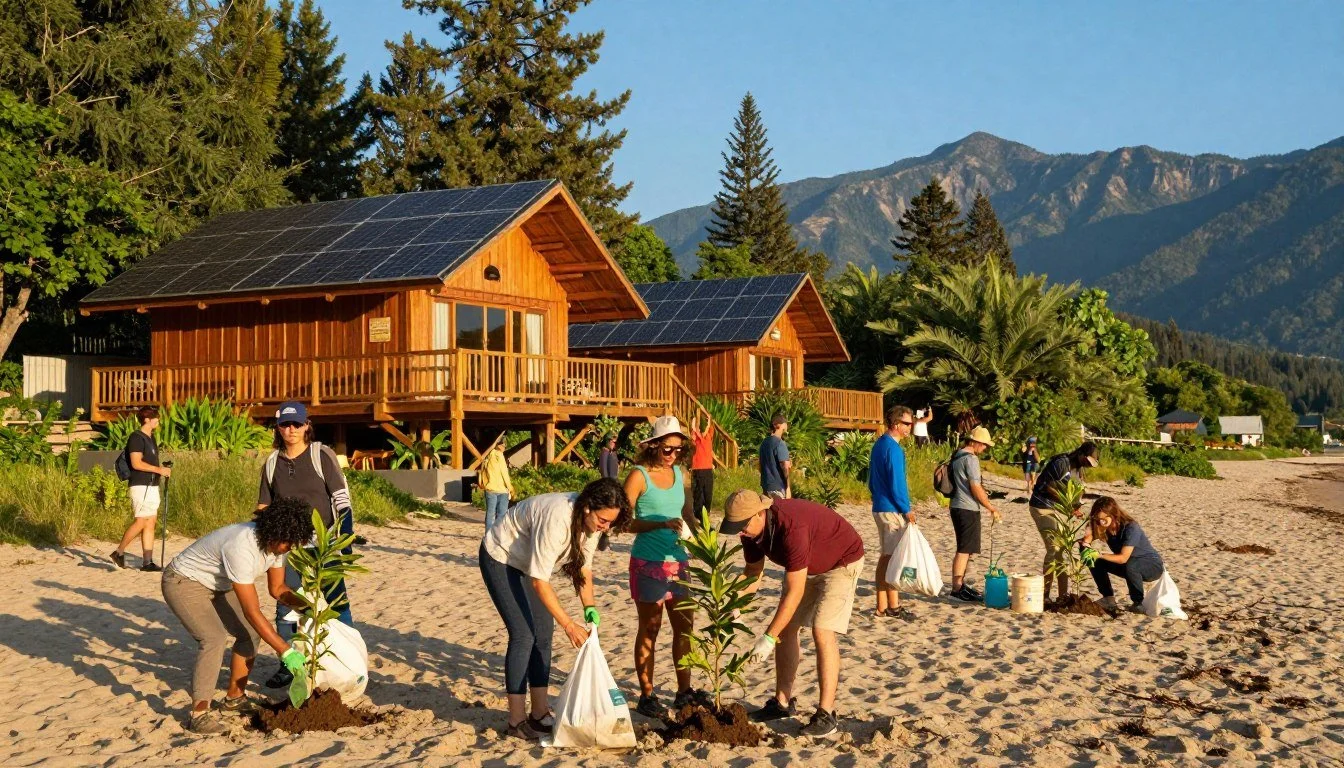
My recent travels across the country opened my eyes to a profound shift in how we explore. I began noticing that many regions are now prioritizing conscious exploration to protect our natural wonders. This change represents a vital move toward preserving the beauty of our landscapes for those who come after us.
I have spent time researching various sustainable tourism initiatives that are currently reshaping the industry. These programs focus on reducing waste and supporting local economies while ensuring that our footprint remains as light as possible. It is truly inspiring to see how small changes in our habits can lead to a massive positive impact.
By choosing mindful paths, we become active participants in conservation. I believe that every traveler should consider their environmental impact before booking their next trip. Exploring these sustainable travel initiatives is the first step toward a more responsible way of seeing the world.
Key Takeaways
- Travelers are increasingly shifting toward more conscious and responsible habits.
- Local programs are essential for protecting natural landscapes for future generations.
- Reducing your environmental footprint is a core component of modern exploration.
- Supporting local economies helps maintain the integrity of the destinations you visit.
- Small, intentional choices by individuals lead to significant positive environmental impacts.
The Importance of Sustainable Tourism
Traveling across the United States has taught me that how we explore matters just as much as where we go. I have realized that my presence in a new place leaves a footprint, and I want that mark to be a positive one. By choosing to travel with intention, I can help protect the natural wonders and cultural treasures that make our country so unique.
What is Sustainable Tourism?
At its core, this concept is about finding a balance between enjoying a destination and ensuring its longevity. It is not just a buzzword; it is a commitment to responsible travel that minimizes negative impacts on the environment. Effective sustainable tourism development requires us to respect local ecosystems while supporting the people who call these places home.
Why It Matters to Me
My personal motivation stems from a desire to see the world remain vibrant and healthy. I have found that when I slow down and engage mindfully with my surroundings, my travel experiences become much richer. Instead of just checking items off a list, I now seek out authentic connections that leave me feeling truly inspired by the places I visit.
Benefits for Local Communities
When we prioritize sustainable tourism development, we directly contribute to the economic and social health of the regions we visit. By choosing locally-owned businesses, we ensure that our money stays within the community to support schools, infrastructure, and local artisans. This approach fosters a sense of pride among residents and helps preserve the unique traditions that define their heritage.
Prominent National Parks Leading the Way
I have always been amazed by how our most iconic landscapes manage the delicate balance between tourism and preservation. As visitor numbers climb, the need for sustainable tourism development becomes more urgent than ever. These parks are proving that we can enjoy nature while ensuring it remains untouched for future generations.
Yellowstone National Park Initiatives
Yellowstone faces the unique challenge of protecting fragile geothermal features while hosting millions of guests. To address this, the park has implemented strict environmentally-friendly tourism practices that keep visitors on designated boardwalks. This simple measure prevents damage to the delicate crust surrounding geysers and hot springs.
Beyond the geysers, the park focuses heavily on wildlife habitat protection. By managing traffic flow and limiting human interference in sensitive zones, officials ensure that bison, wolves, and bears can thrive. I find it truly inspiring to see how these conservation strategies prioritize the needs of the ecosystem above all else.
Glacier National Park Conservation Efforts
Glacier National Park is at the forefront of addressing climate change through innovative resource management. The park staff works tirelessly to monitor glacial retreat and its impact on local water supplies. Their commitment to sustainable tourism development is evident in how they adapt infrastructure to withstand changing weather patterns.
Education remains a cornerstone of their approach to preservation. Through interactive programs, visitors learn about the importance of environmentally-friendly tourism practices and how their own actions affect the park's future. I believe that when we understand the science behind these changes, we become better stewards of the land during our travels.
Eco-Friendly Accommodations You Should Consider
My journey across the United States has revealed some truly remarkable eco-friendly retreats. I have found that modern hospitality is shifting toward a model where luxury and environmental stewardship go hand in hand. By choosing these properties, you actively participate in eco-friendly travel programs that prioritize the health of our planet.

Unique Eco-Resorts in the United States
One of my favorite spots is the Post Ranch Inn in Big Sur, California. This resort blends seamlessly into the cliffs, using sustainable architecture to minimize its footprint while offering breathtaking views. It is a prime example of how high-end comfort does not require environmental destruction.
Another standout is The Ranch at Laguna Beach. They have implemented impressive green travel initiatives that focus on water conservation and waste reduction. Staying at these locations allows you to enjoy a premium experience while knowing your visit supports responsible land management.
Benefits of Staying Green
When you choose to stay at a certified eco-resort, you contribute to significant resource savings. I have personally observed how these properties utilize advanced systems to lower energy consumption and reduce water usage. These sustainable travel initiatives are essential for preserving the natural beauty of the regions we love to visit.
Beyond the environmental impact, these stays often provide a deeper connection to the local landscape. You will find that the food is often sourced from nearby farms, and the staff is deeply committed to conservation. It is a rewarding way to travel that leaves a positive legacy behind.
| Resort Name | Primary Focus | Key Sustainability Feature | Location |
|---|---|---|---|
| Post Ranch Inn | Luxury Conservation | Solar Energy Integration | California |
| The Ranch | Coastal Preservation | Water Recycling Systems | California |
| Cedar Creek | Forest Stewardship | Zero-Waste Operations | Washington |
| Mountain Lodge | Alpine Protection | Geothermal Heating | Colorado |
Community-Based Tourism Projects I Love
When I look back at my favorite trips, the ones that stand out are those where I participated in community-based tourism projects. These experiences taught me that travel is far more than just checking items off a list. It is about the people I meet and the stories I hear along the way.
How Local Cultures Enrich Travel Experience
I have found that prioritizing authentic cultural exchange over mass-market tourism creates a much deeper connection to a destination. Instead of visiting crowded tourist traps, I seek out ethical tourism efforts that highlight the unique traditions of a region. This approach allows me to learn about local history, art, and food directly from the people who live there.
By choosing to support these initiatives, I ensure that my travel dollars stay within the local economy. This helps preserve cultural heritage while providing residents with sustainable livelihoods. It is a win-win situation that makes every journey feel more meaningful and purposeful.
Engaging with Residents
Engaging directly with local residents has provided me with a much richer understanding of the places I visit. Whether I am participating in a traditional craft workshop or sharing a meal with a local family, these interactions foster genuine respect. I always try to approach these moments with an open mind and a humble heart.
Participating in responsible tourism projects is not just about being a guest; it is about being a partner in the community's growth. When I listen to the perspectives of those who call these places home, I gain insights that no guidebook could ever provide. Below is a comparison of how these two styles of travel differ in their impact.
| Feature | Mass-Market Tourism | Community-Based Tourism |
|---|---|---|
| Economic Impact | Often leaks to large corporations | Directly supports local families |
| Cultural Depth | Surface-level sightseeing | Deep, authentic engagement |
| Environmental Footprint | Typically higher impact | Focuses on preservation |
| Traveler Experience | Standardized and predictable | Unique and personal |
Ultimately, my commitment to responsible tourism projects has transformed the way I see the world. By focusing on these ethical tourism efforts, I can explore the United States with the confidence that I am leaving a positive footprint behind. I encourage every traveler to seek out these connections and discover the true heart of the communities they visit.
Traveler-Responsible Initiatives I Support
I believe that being a conscious traveler starts long before I pack my bags for a new adventure. It is about recognizing that my presence in a destination has an impact, and I want that impact to be positive. By engaging with responsible tourism projects, I can ensure my wanderlust supports the health of our planet.
Taking these steps allows me to travel with a clearer conscience. I focus on finding meaningful ways to give back to the places that welcome me. This proactive approach is the foundation of my personal travel philosophy.
Carbon Offset Programs to Consider
One of the most effective ways I mitigate my flight emissions is through verified carbon offset programs. I look for organizations that prioritize transparency and measurable results. Platforms like Cool Effect or Terrapass are excellent starting points for anyone looking to neutralize their travel footprint.
These eco-friendly travel programs work by funding projects that reduce greenhouse gases, such as reforestation or renewable energy development. When I purchase offsets, I feel confident that my contribution is actually making a difference. It is a simple, impactful habit that every traveler should adopt.
Sustainable Tour Operators You Can Trust
Choosing the right partner for my excursions is just as important as choosing my destination. I prioritize companies that demonstrate a deep commitment to environmental stewardship and local community support. These sustainable travel initiatives often go beyond basic green practices by investing directly in the regions they visit.
I trust operators that are transparent about their supply chains and their efforts to minimize waste. When I book with these companies, I know my money supports ethical labor and conservation. Empowering local communities through tourism is a key indicator of a truly responsible operator. Always look for certifications that verify these claims before you finalize your plans.
Innovative Transportation Solutions in Tourism
Exploring new destinations is becoming easier and more sustainable through innovative transit options. I have seen firsthand how the tourism industry is evolving to offer cleaner alternatives that help preserve the beauty of the places I visit. These green travel initiatives are transforming the way we experience regional travel by minimizing our impact on the environment.

Electric and Hybrid Vehicle Options
One of the most exciting changes I have encountered is the rise of electric vehicle (EV) rentals. Many rental agencies now offer a wide selection of EVs, allowing travelers to navigate scenic routes without relying on fossil fuels. This shift represents a significant step forward in environmentally-friendly tourism practices.
Beyond personal rentals, I often look for hotels that provide hybrid shuttle services. These shuttles are a fantastic way to reduce emissions while moving between airports and city centers. Using these services makes my journey feel much more intentional and aligned with my values.
Bike and Pedestrian-Friendly Destinations
I have found that the most rewarding way to explore a new city is often on foot or by bicycle. Many U.S. cities are investing heavily in bike lanes and expanded pedestrian zones to encourage active travel. This infrastructure not only reduces traffic congestion but also allows me to connect more deeply with the local culture.
When I visit places like Portland or Boulder, I prioritize destinations that make walking easy and safe. Choosing to bike or walk is one of the most effective environmentally-friendly tourism practices available to any traveler. It turns a simple commute into a memorable part of my adventure, proving that sustainable choices can be truly enjoyable.
Conservation Efforts by Major Travel Brands
When I look at the travel industry today, I see major brands taking bold steps toward sustainability. While these large entities have historically contributed to environmental strain, many are now pivoting toward responsible operations. I believe it is vital to track these changes to ensure they remain accountable for their long-term impact.
How Airlines Are Reducing Their Footprint
Aviation remains a significant contributor to carbon emissions, but I am encouraged by the rise of Sustainable Aviation Fuel (SAF). Many major carriers are now partnering with energy companies to integrate these fuels into their daily flights. This shift is a cornerstone of modern eco-friendly travel programs designed to lower the industry's overall carbon output.
Beyond fuel, airlines are optimizing flight paths to save energy and reducing single-use plastics on board. These environmentally-friendly tourism practices are becoming standard rather than optional. I find that when airlines prioritize efficiency, they not only help the planet but also improve the overall passenger experience.
Sustainable Practices in Major Hotel Chains
Major hotel brands are also transforming their properties through comprehensive green travel initiatives. Many chains have eliminated small plastic toiletry bottles and installed smart energy systems to manage heating and cooling more effectively. These small changes add up to a massive reduction in waste across thousands of locations.
"Sustainability is no longer a luxury for the hospitality sector; it is a fundamental requirement for future growth and guest satisfaction."
I have compiled a table below to highlight how these major players are evolving their operations to meet modern environmental standards.
| Brand Category | Primary Focus | Key Benefit |
|---|---|---|
| Airlines | Sustainable Aviation Fuel | Lower Carbon Emissions |
| Hotel Chains | Waste Reduction | Less Landfill Impact |
| Global Brands | Energy Efficiency | Reduced Resource Usage |
It is clear that while there is still work to be done, the momentum is shifting. By supporting companies that prioritize transparent sustainability, I feel empowered as a traveler to contribute to a healthier planet. I look forward to seeing how these brands continue to innovate in the coming years.
Volunteering and Travel: Giving Back While Exploring
My journey into volunteer tourism began with a simple desire to connect more deeply with the communities I visited. I realized that merely passing through a destination often left me feeling like an outsider looking in. By integrating service into my travels, I discovered a profound way to bridge that gap and create lasting, positive change.
Engaging in responsible tourism projects allows travelers to move beyond the surface level of sightseeing. It transforms a standard vacation into a meaningful exchange of skills, time, and cultural understanding. When we choose to contribute, we become active participants in the preservation and growth of the places we love.
Opportunities that Impact Local Communities
Finding the right project is essential to ensure your efforts provide genuine value. Many travelers fall into the trap of superficial experiences that do more for the volunteer's ego than the local population. To avoid this, you must prioritize ethical tourism efforts that are led by the community itself.
When searching for a project, look for organizations that demonstrate transparency and long-term commitment. You should ask yourself if the work you are doing is something the community actually needs or if it is just a temporary fix. Here are a few ways to identify high-quality initiatives:
- Research if the organization partners with local leaders to define their own goals.
- Ensure the project focuses on sustainable development rather than short-term charity.
- Verify that the program provides training or resources that empower residents.
My Experiences with Volunteer Tourism
During my travels across the United States, I have participated in several community-based tourism projects that left a lasting impact on my perspective. One of my most memorable experiences involved working with a trail restoration group in a remote national forest. It was exhausting work, but the sense of shared purpose was incredibly rewarding.
I learned that the most effective community-based tourism projects are those where you listen more than you speak. By working alongside locals, I gained insights into their traditions and challenges that no guidebook could ever provide. These ethical tourism efforts taught me that my time is a valuable resource when used with intention.
Ultimately, choosing to give back while exploring has enriched my life in ways I never expected. Whether it is helping with habitat restoration or supporting local education initiatives, these responsible tourism projects remind me that travel is a two-way street. I encourage every traveler to seek out these opportunities to make their next trip truly count.
The Future of Sustainable Tourism in the U.S.
I see a bright horizon for travel as more people prioritize the planet. My journey through these landscapes shows that small shifts in how we explore create lasting change for our favorite destinations.
Emerging Trends in Eco-Tourism
Technology now plays a vital role in how we track our environmental impact. Many travelers now seek out transparent data regarding their carbon footprint before booking a trip. This shift pushes brands like Marriott International and Delta Air Lines to refine their sustainable tourism initiatives to meet modern demands.
Taking Action for a Better Tomorrow
I believe that individual choices serve as the foundation for broader change. By supporting community-based tourism projects, I help ensure that local residents thrive alongside visitors. My commitment to ethical tourism efforts grows stronger every time I choose a path that respects nature and culture.
We hold the power to shape the industry through our wallets and our voices. Continued focus on sustainable tourism development ensures that the beauty of the United States remains intact for generations. I invite you to join me in making every trip a positive force for the world.